



AMAZIGH PROJECT
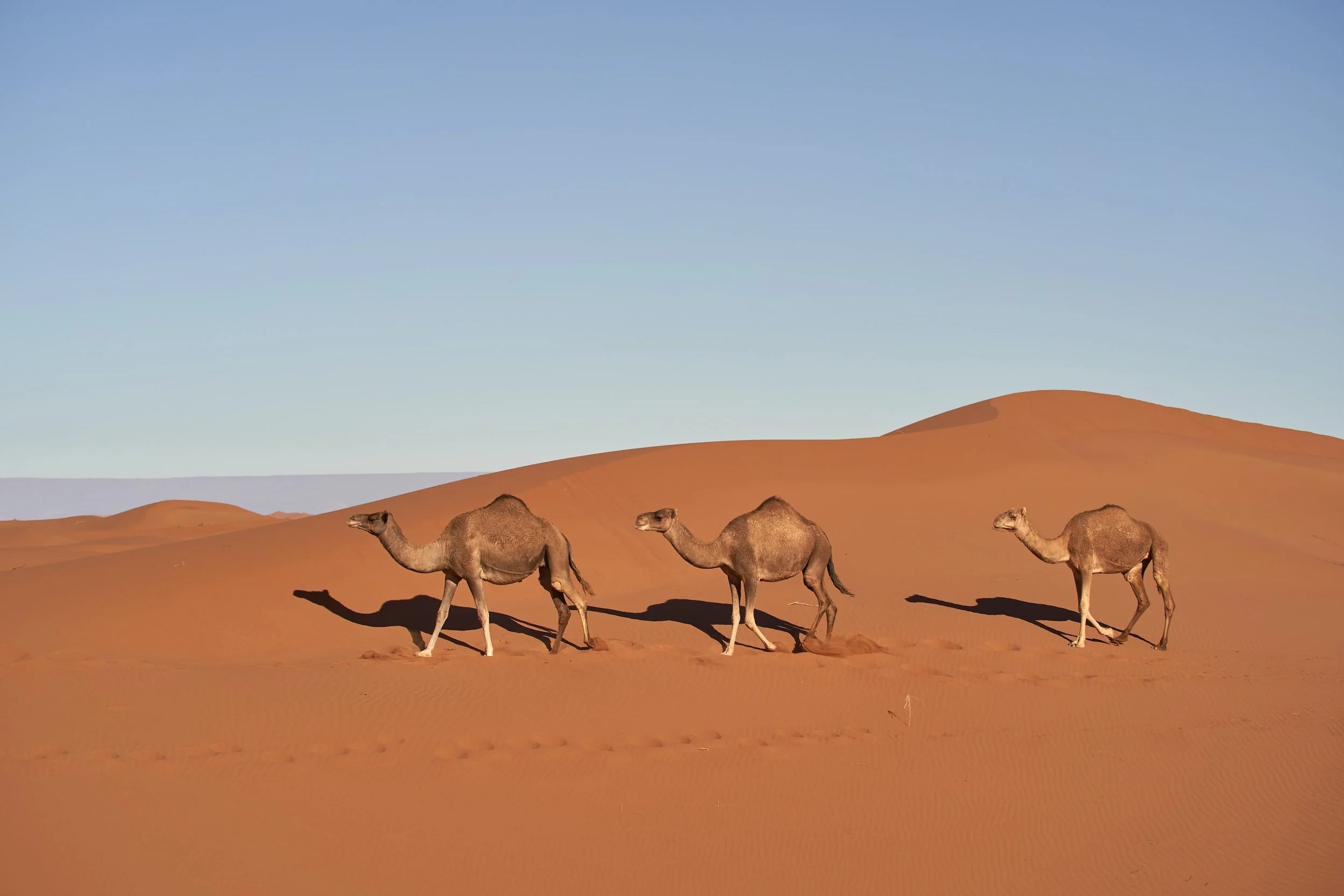
AMAZIGH Project is the north african initiative of Humanculture that works through women-led Indigenous governance to strengthen durable access to water, food security, health, education, and cultural preservation in the face of climate stress and prolonged drought.
Through local leaders, Humanculture supports community-driven delivery structures that sustain livelihoods and intergenerational knowledge transfer. The project supports locally governed pathways that align human rights, cultural continuity, and long-term resilience.
-
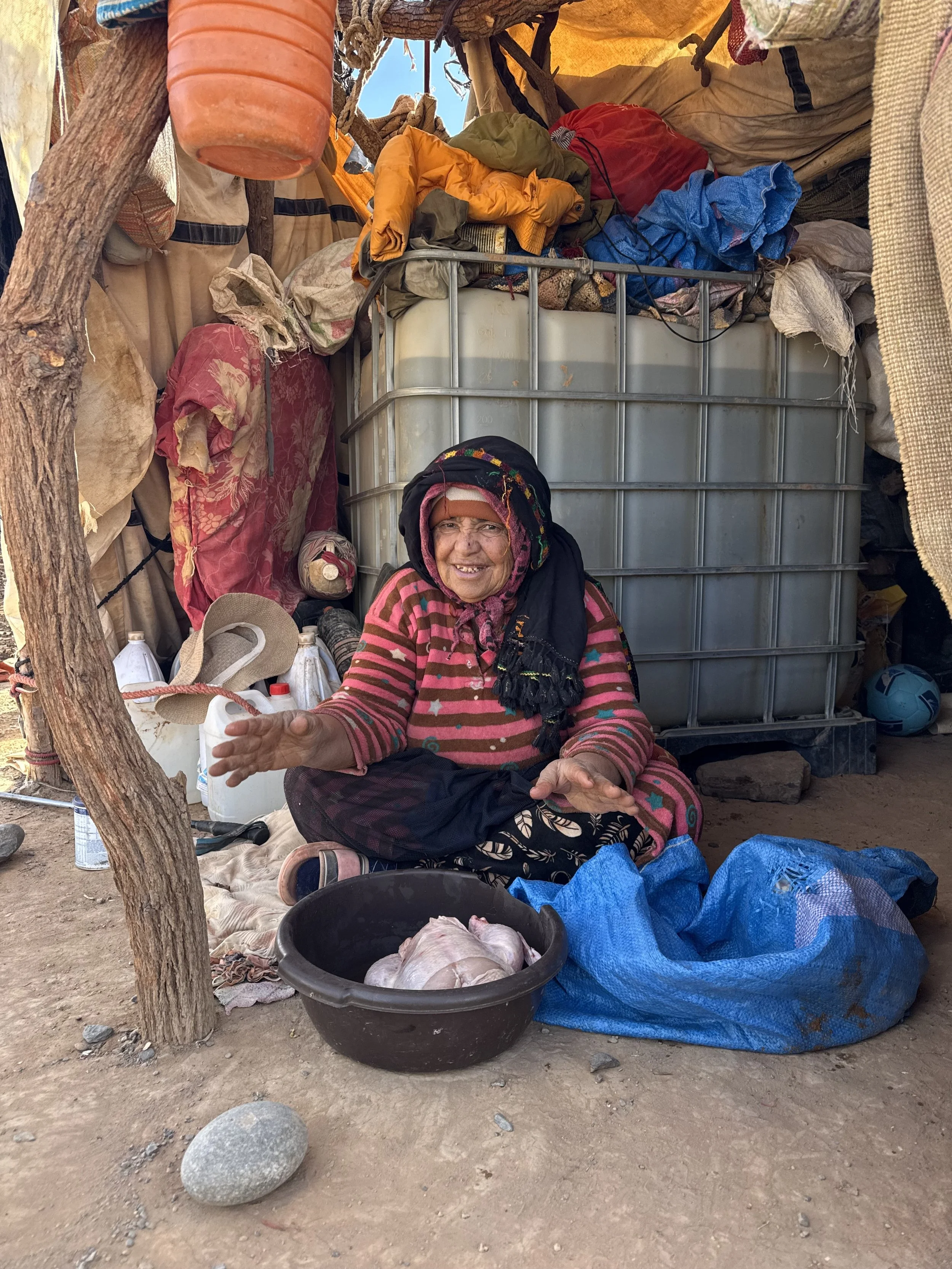
Indigenous Knowledge & Cultural Continuity
Elders and women knowledge holders pass down practices related to land, seasonal change, and community life through everyday activities and storytelling. Protecting this knowledge supports long-term environmental stewardship and cultural continuity.
-
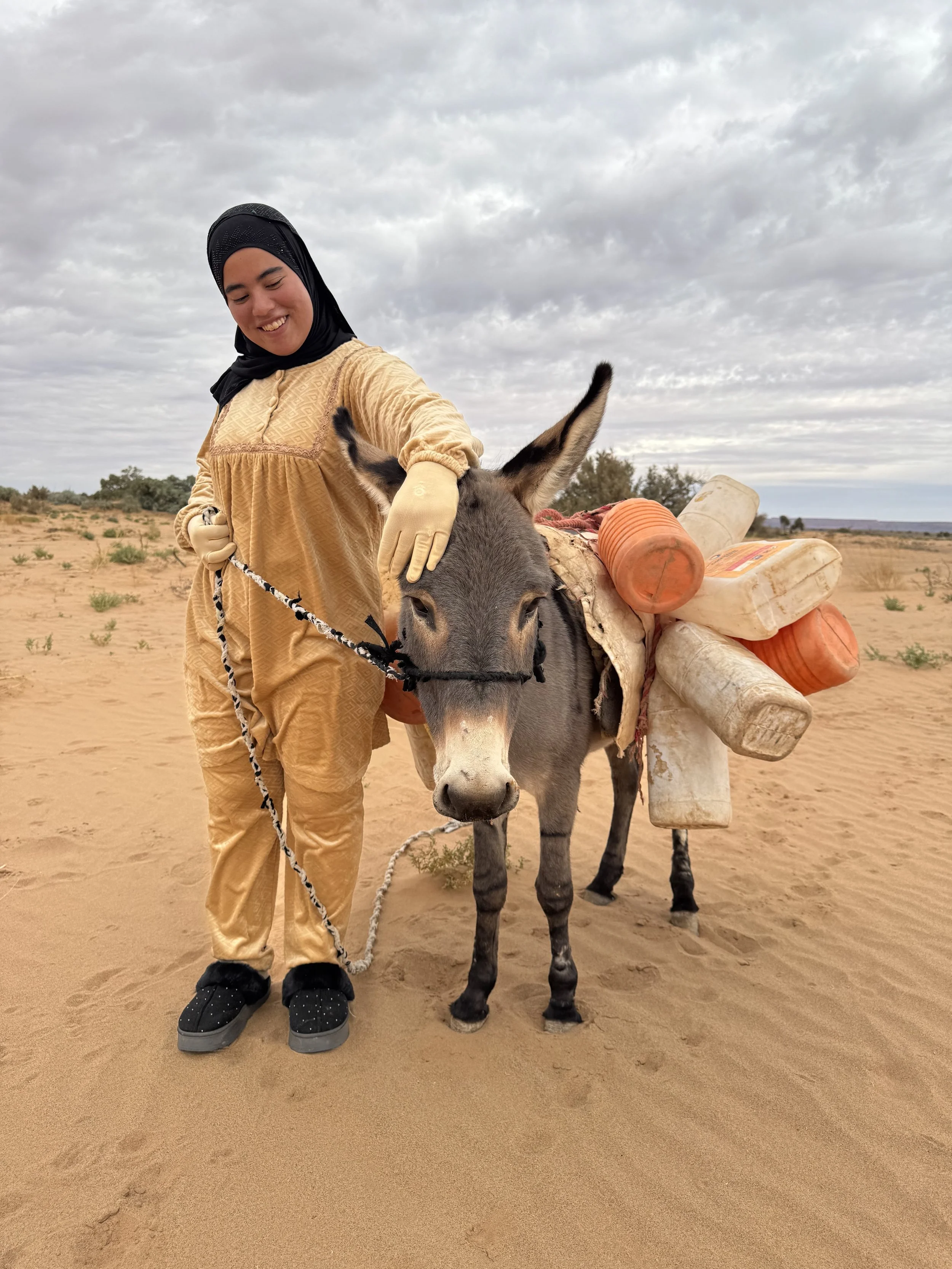
Water Access & Storage for Desert Communities
Community-led water access and storage solutions help families manage daily needs during periods of groundwater decline and drought. These efforts support health, stability, and continuity in desert environments where water access is unpredictable.
-
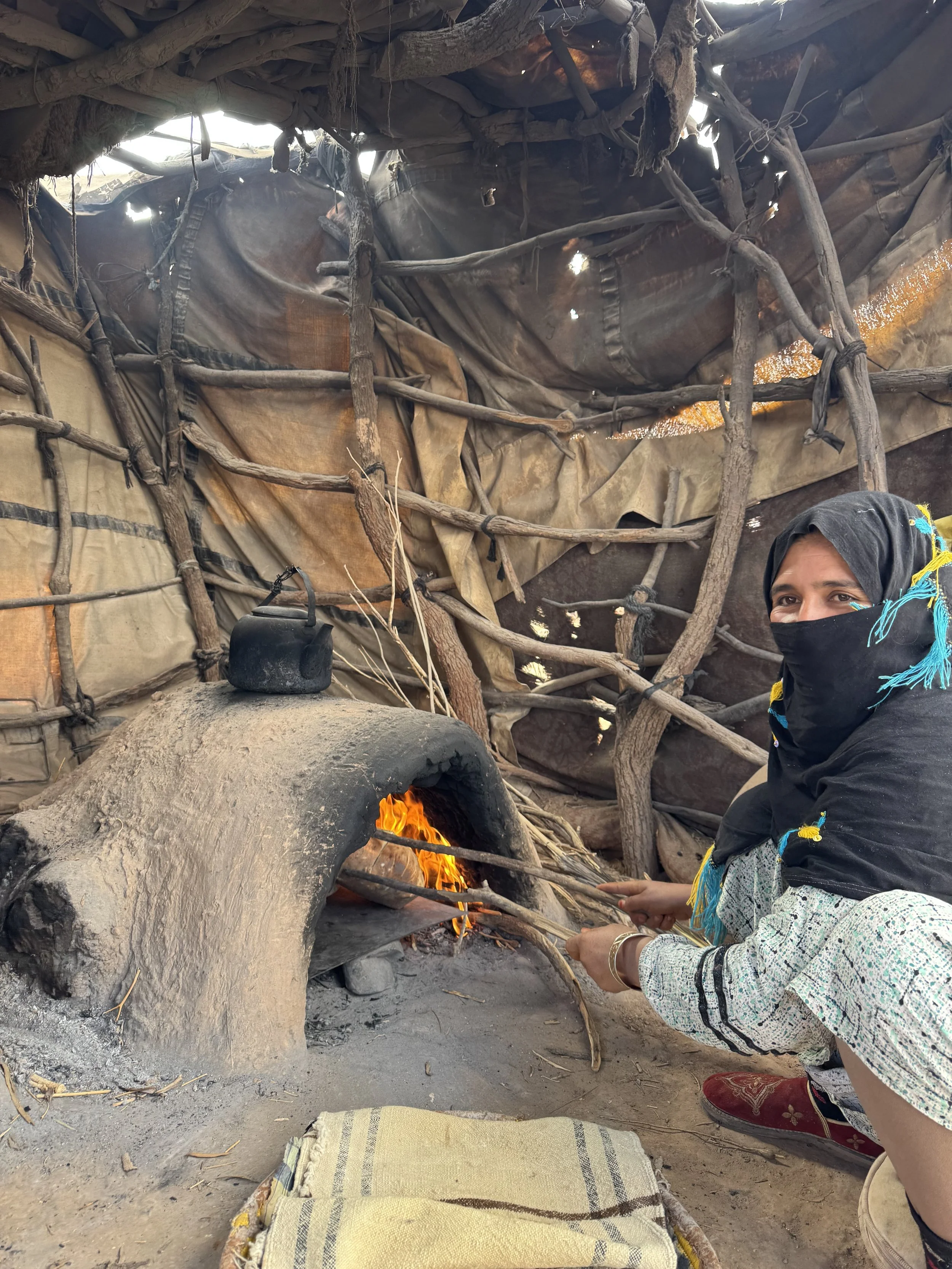
Traditional Cooking & Food Knowledge
Traditional cooking practices sustain cultural continuity while using locally rooted, low-impact methods adapted to desert conditions. These everyday practices preserve knowledge of food, resource use, and community life across generations.
-
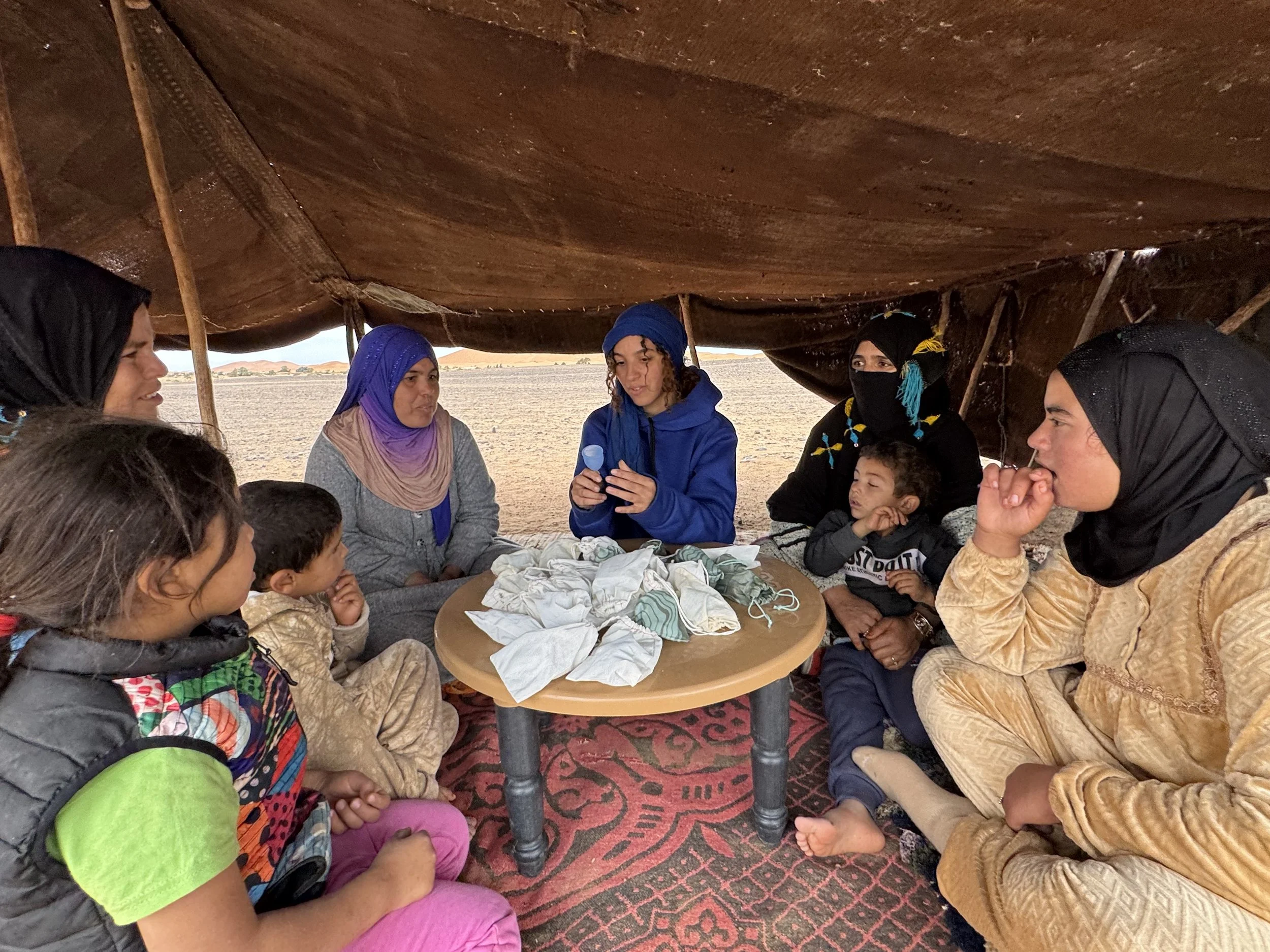
Women’s Health & Hygiene Support
Access to essential health and hygiene supplies supports women and girls in maintaining dignity and continuity during prolonged water stress. These resources strengthen household wellbeing and community resilience.
-
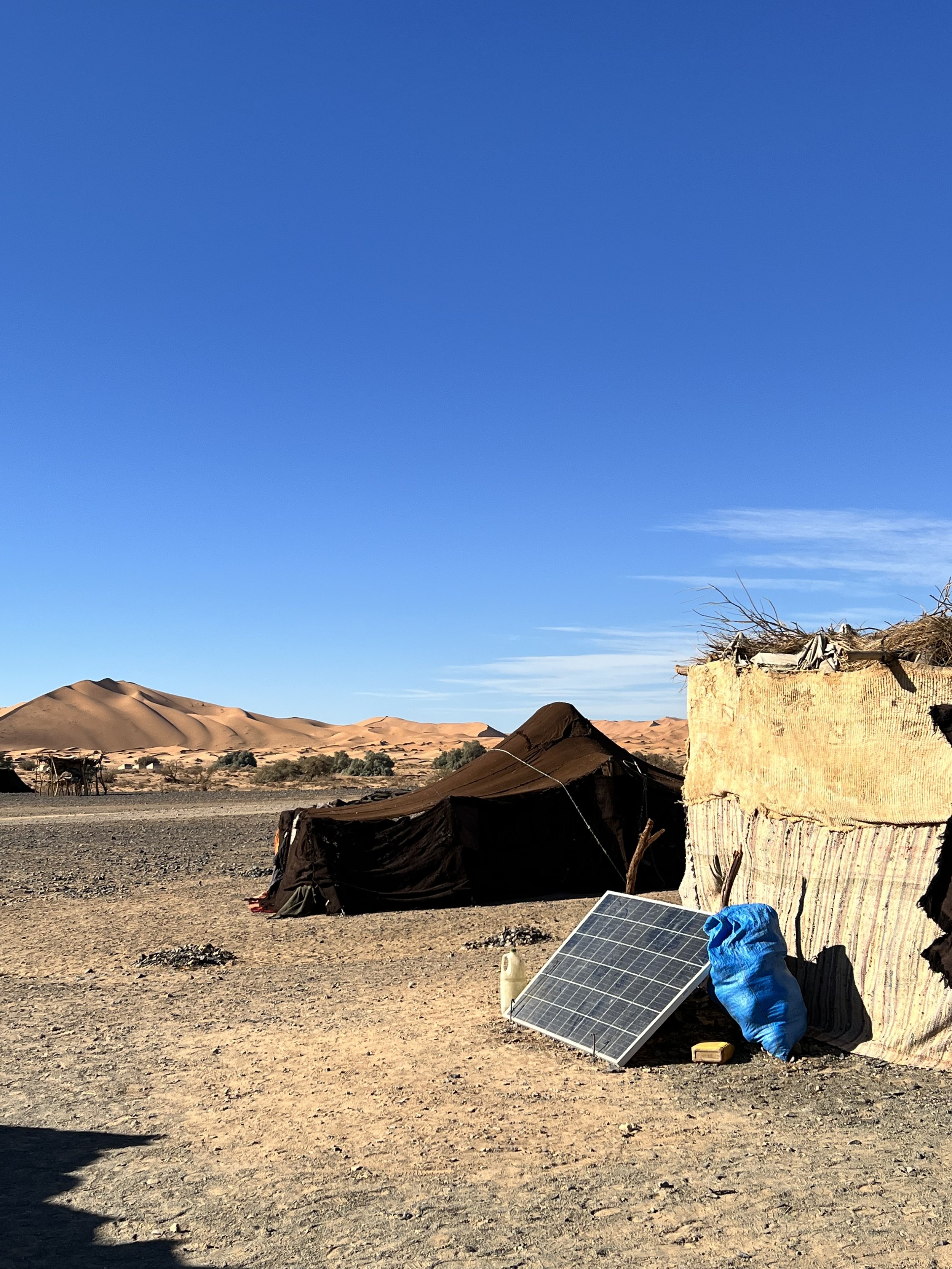
Solar Energy & Community Power Access
We support small-scale solar solutions that provide basic, reliable power in remote communities where infrastructure is not available. Solar access strengthens household continuity and supports locally managed systems under changing climate conditions.
-

Food Delivery & Household Continuity
Targeted food delivery supports families during periods of severe scarcity and environmental stress. This helps stabilize households while communities continue to manage land and livelihood systems under drought conditions.
-
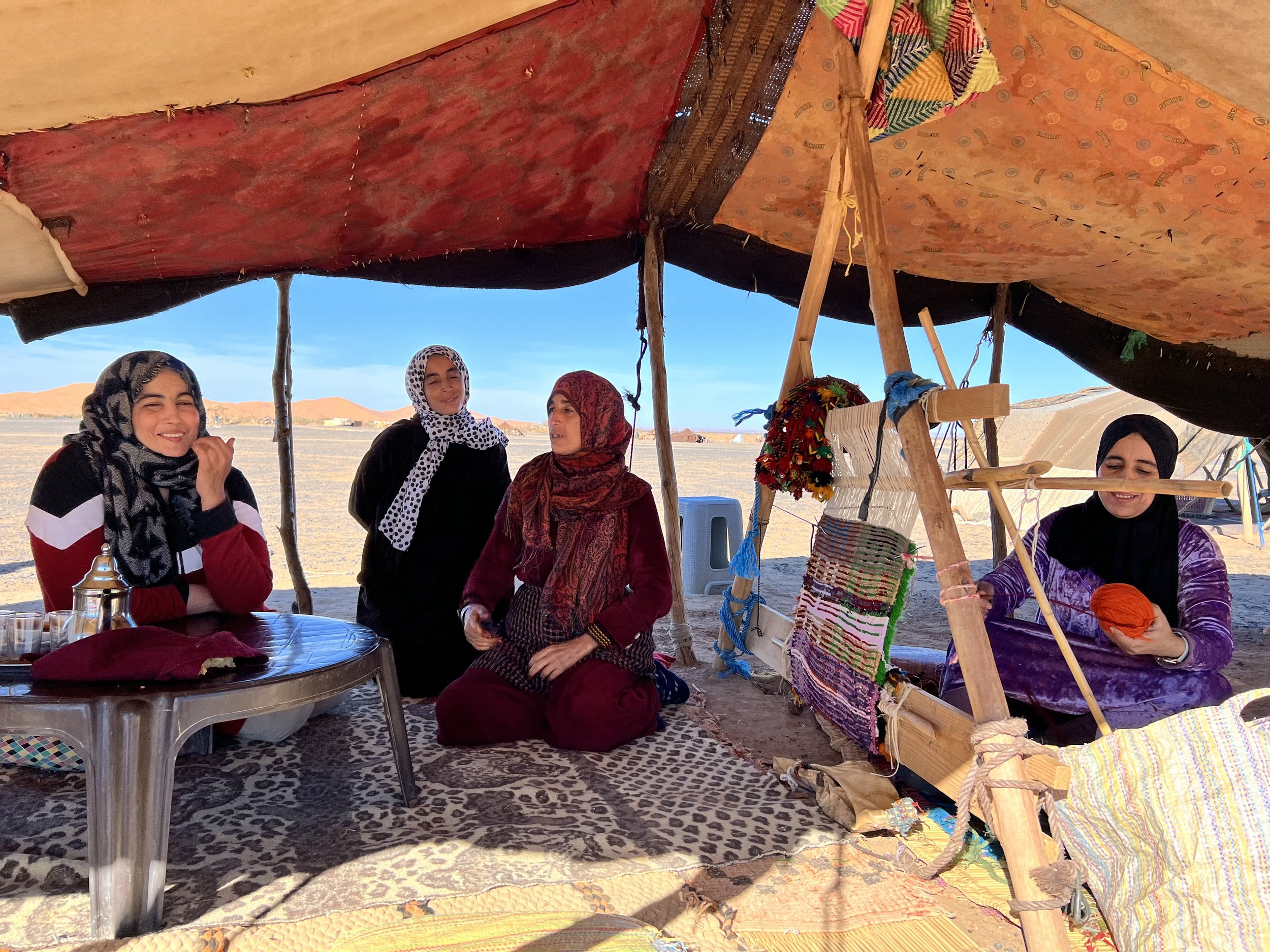
Women’s Livelihoods & Weaving Traditions
Women sustain household income and cultural continuity through traditional weaving practices using locally sourced materials. These activities support economic autonomy while keeping intergenerational skills alive within the community.
-

Goats & Camels Livelihood Support
Local goat breeds help families maintain reliable livelihood assets under arid conditions and ongoing drought stress. Supporting livestock strengthens household resilience and reinforces traditional systems of care and resource sharing.
Amazigh leadership council
-
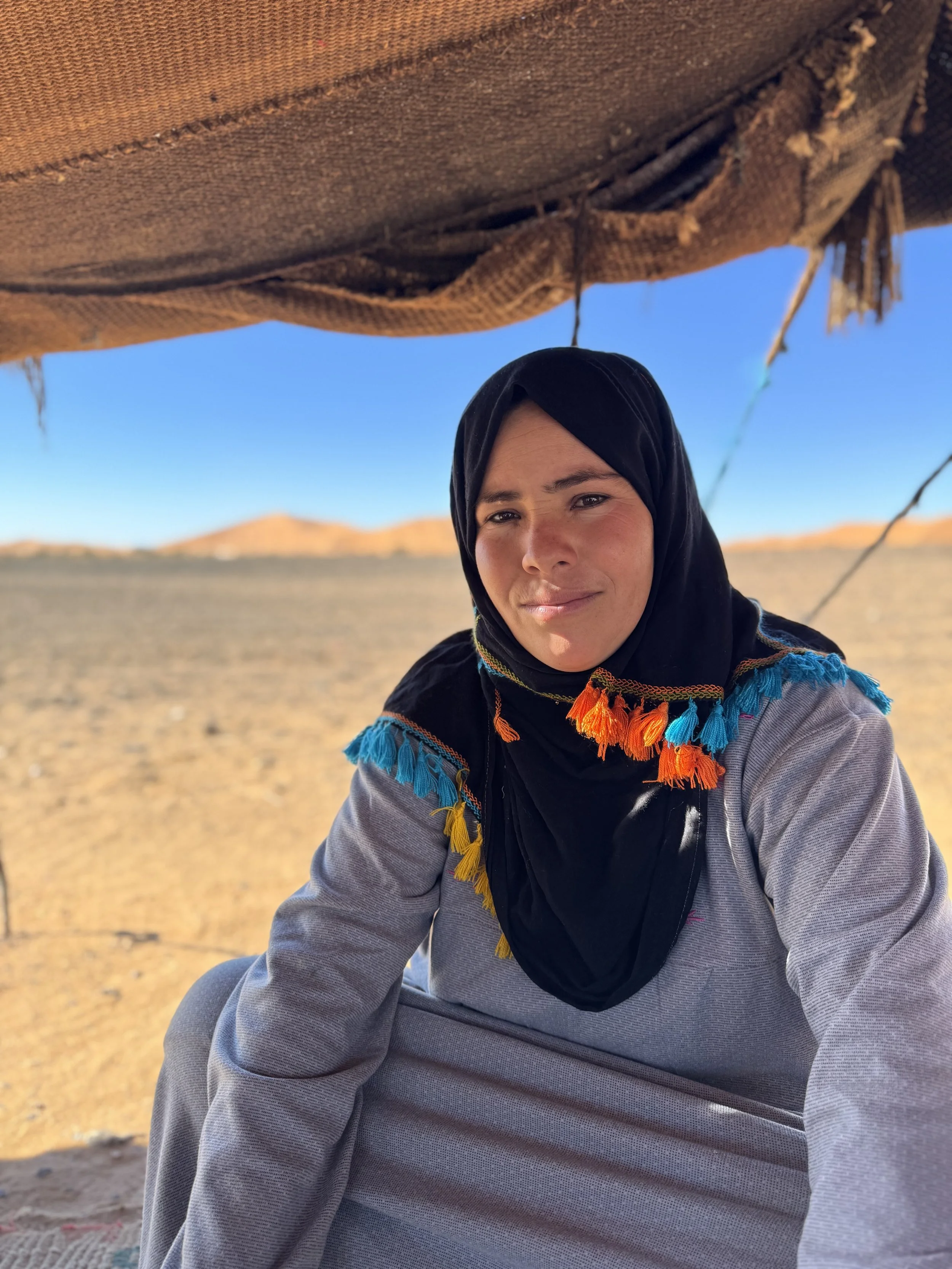
Fatima
-
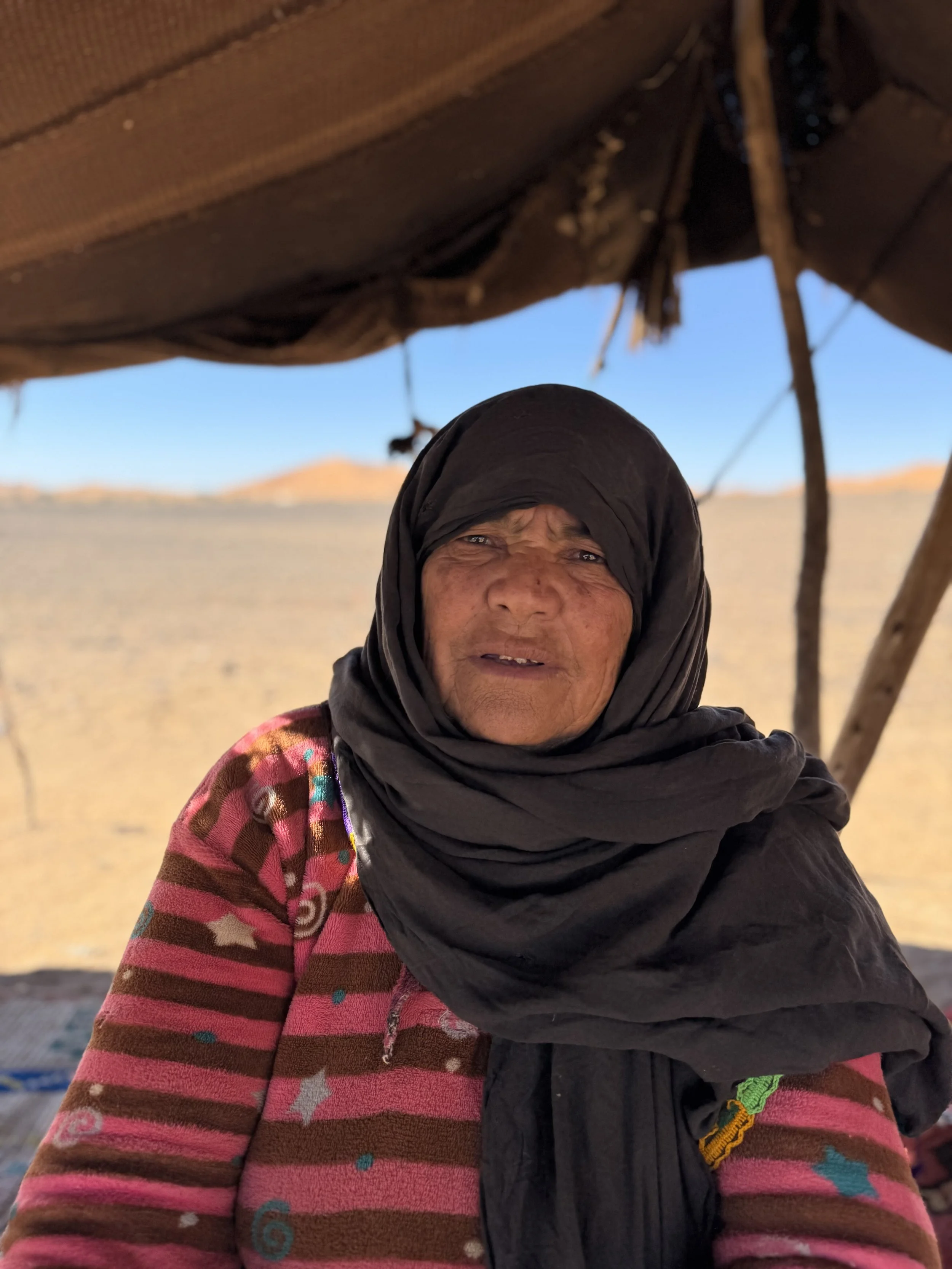
Aadjou
-
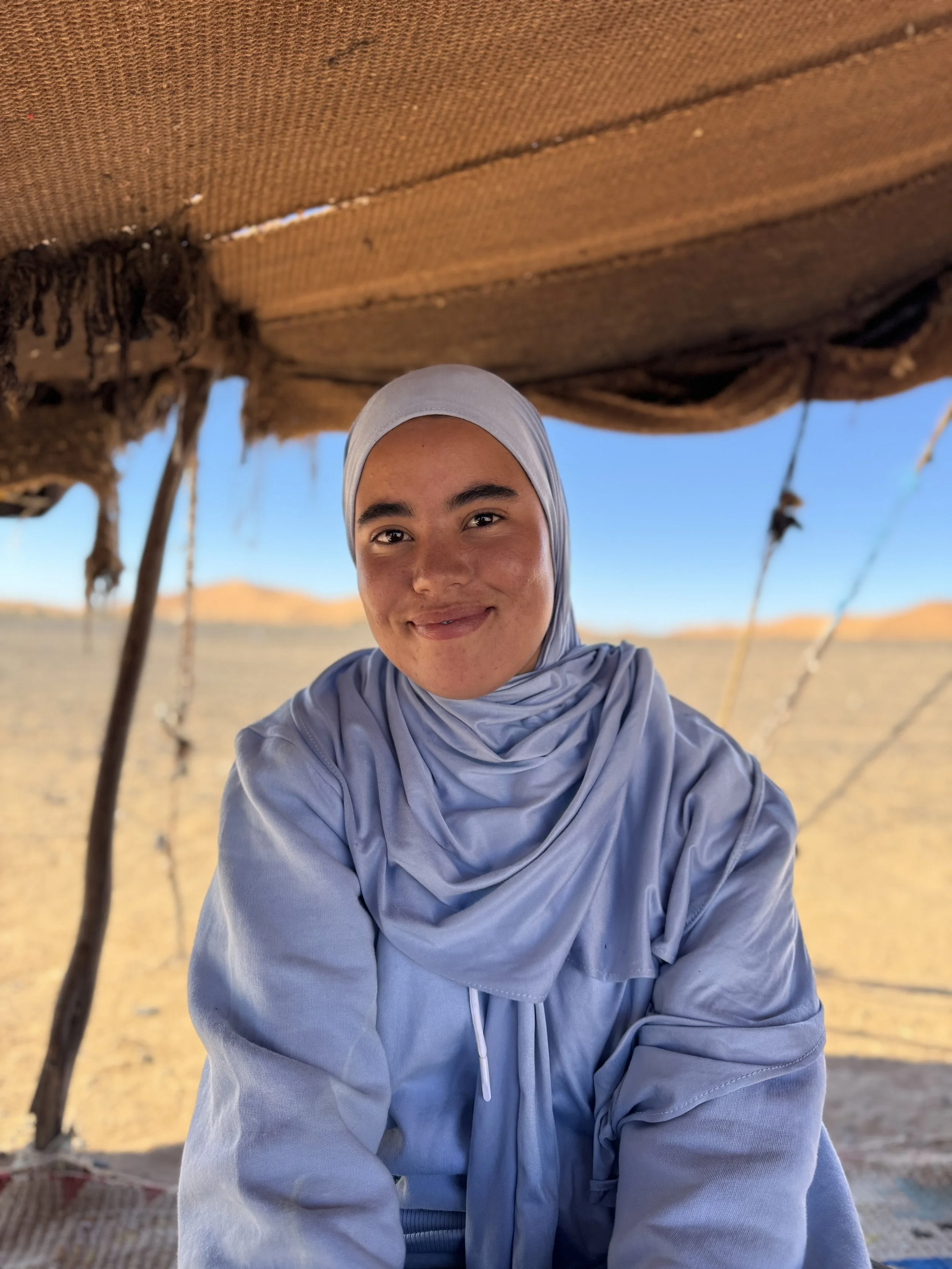
Meriam
-
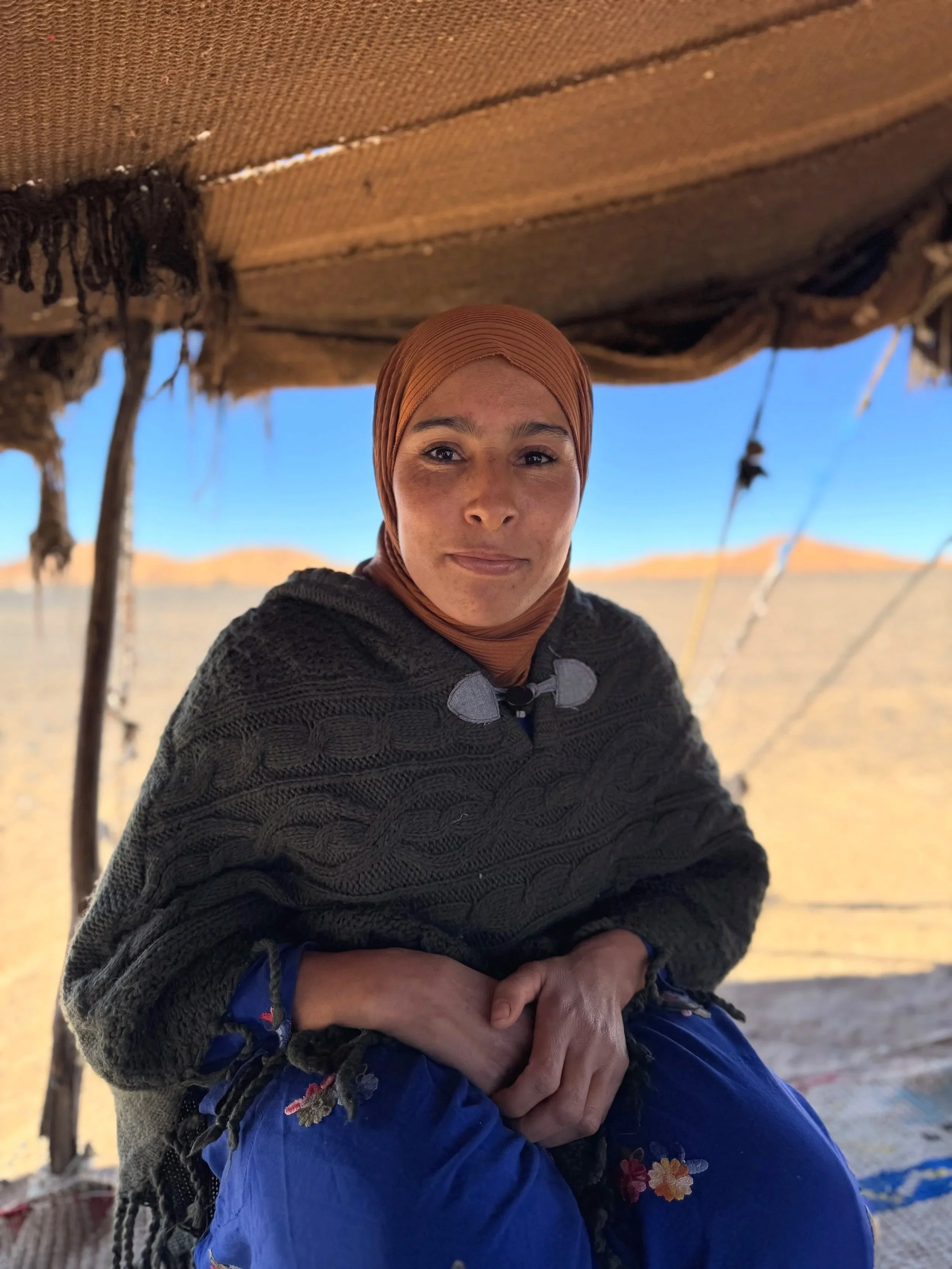
Khadija
-
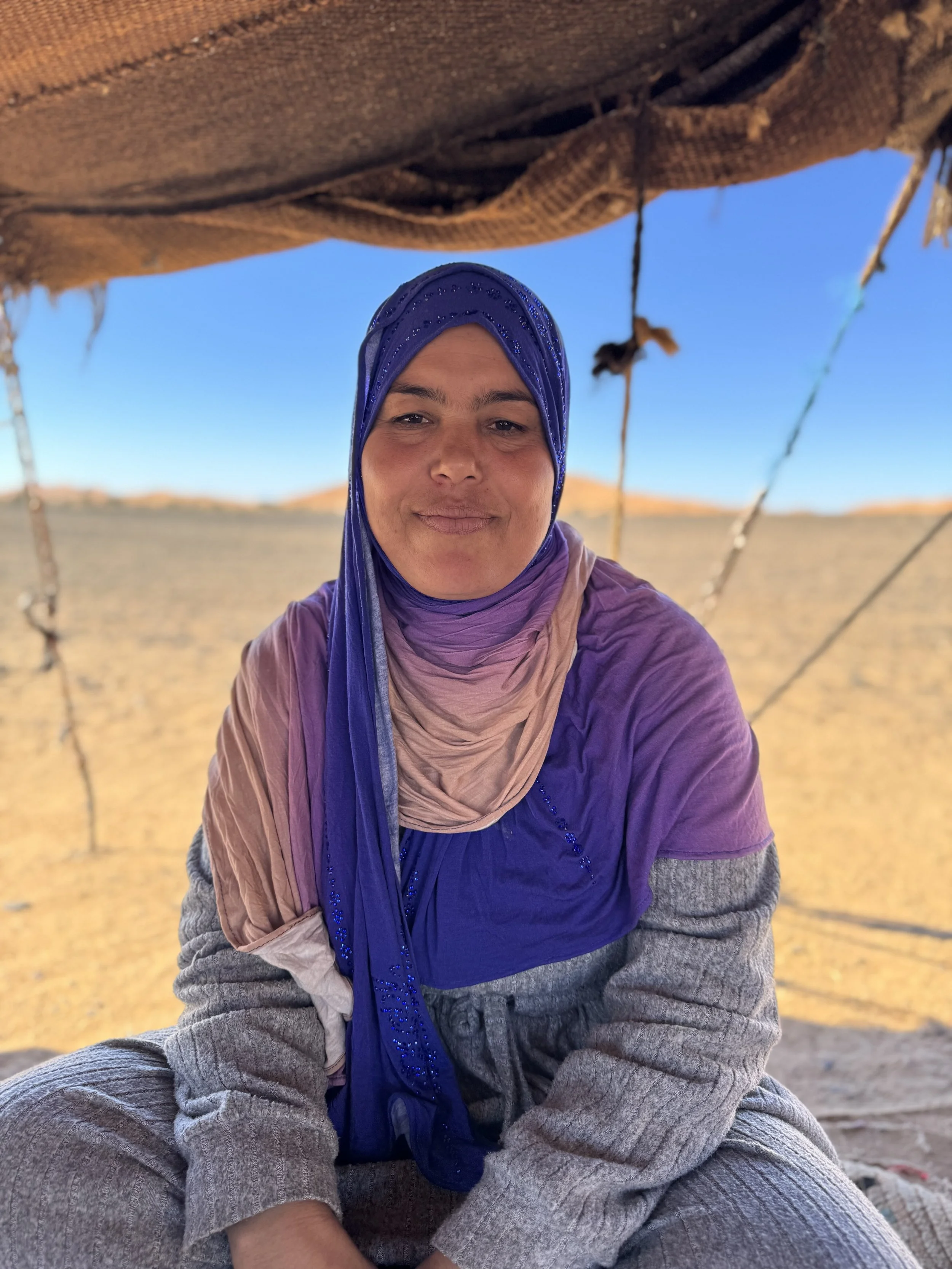
Rkiya
-
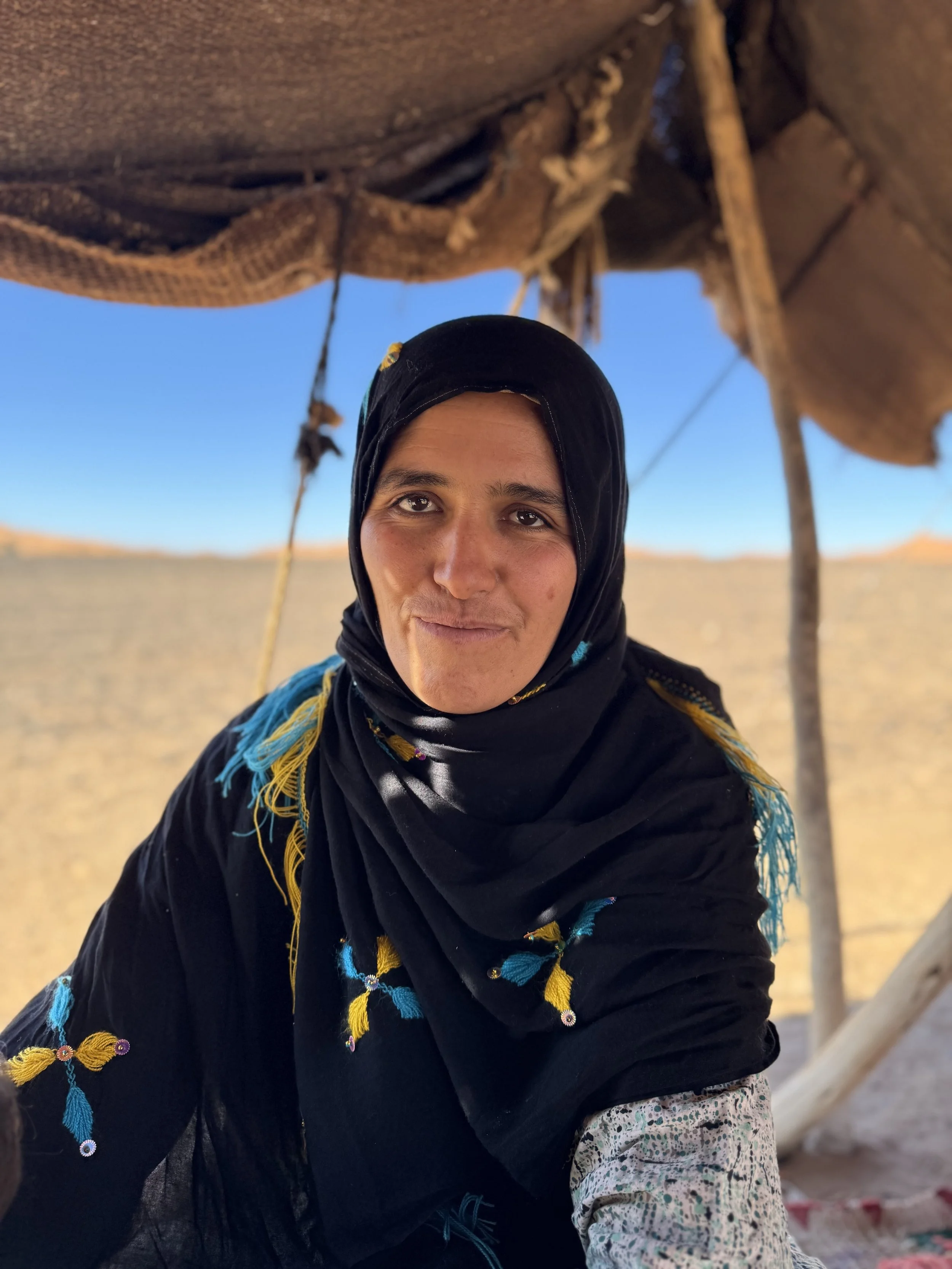
Rkiya