


Ecology & Land Stewardship
ECOLOGY & LAND STEWARDSHIP
Humanculture is led by Indigenous and community leaders across six ecological zones and four continents. Our ecology and land stewardship programs advance locally led conservation across dryland, savannah, rainforest, floodplain, coastal, and volcanic highland ecosystems — sustaining ecosystem integrity, Traditional Ecological Knowledge (TEK), habitat resilience, and community-governed land and water systems that are irreplaceable to global biodiversity stewardship.
Research consistently shows that Indigenous peoples steward a disproportionate share of Earth’s remaining biodiversity relative to the land they occupy. That relationship is the result of governance systems, ecological knowledge, and land stewardship practices developed across generations of direct relationship with living landscapes. When those systems are weakened — by climate stress, land encroachment, or the erosion of TEK — ecosystem integrity follows.
Humanculture’s ecology and land stewardship programs support the continuation of these systems across six distinct ecological zones, contributing to the halting of biodiversity loss, the protection of critical ecosystem services, and the long-term resilience of some of the world’s most ecologically significant landscapes.
TRADITIONAL ECOLOGICAL KNOWLEDGE AS CONSERVATION INFRASTRUCTURE
Across all six landscapes, Humanculture’s ecology and land stewardship work rests on a foundational recognition: TEK is not background context. It is conservation infrastructure.
The knowledge held by these communities — of watershed systems, seasonal cycles, soil conditions, species relationships, land governance, pollinator health, and climate adaptation — represents the most detailed, locally specific, and long-tested ecological knowledge that exists in these landscapes. It has been accumulated across generations of direct relationship with land, water, and biodiversity. It cannot be replicated by external science in a grant cycle. It cannot be recovered once it is lost.
Addressing biodiversity loss at the scale the global conservation community demands requires this knowledge to be protected, resourced, and centered in conservation strategy — not extracted, archived, and set aside.
Humanculture documents, supports, and elevates TEK across all six ecological zones through the Indigenous Systems platform — a dedicated research and documentation layer presenting field documentation, conceptual frameworks, and formal contributions to global biodiversity and governance discussions.
Explore Indigenous ecological knowledge across six landscapes → IndigenousSystems.org

FRESHWATER SYSTEMS & WATER SECURITY
Freshwater stewardship — protecting sources, governing access, and maintaining watershed integrity — is among the most urgent conservation priorities facing Indigenous communities in climate-stressed landscapes. Groundwater depletion, seasonal drought, and contamination threaten both human communities and the freshwater ecosystems on which surrounding biodiversity depends. This work is formally documented with FAO, UNDRR, LCIPP, and UNESCO.
Maasai in Tanzania
Humanculture supports community-led water infrastructure in the Ngorongoro Conservation Area, where seasonal water access governs both human survival and the ecological health of one of East Africa’s most biodiverse savannah landscapes. Maasai water governance — organized through community leadership councils — manages seasonal sources, borehole access, and water distribution across a semi-nomadic pastoral landscape under increasing drought pressure.
Amazigh in Morocco
In pre-Saharan landscapes defined by extreme aridity and unpredictable rainfall, Amazigh communities govern water access through traditional management systems developed across generations of direct relationship with one of the world’s most water-scarce environments. Humanculture supports this stewardship as a living model of climate-adaptive water governance in dryland ecosystems.
Banteay Srei IPLC in Cambodia
In Cambodia’s floodplain seasonal forest landscape within the broader Mekong basin, groundwater contamination threatens both community health and surrounding freshwater ecosystem integrity. Humanculture delivers biosand filtration systems providing locally maintainable, low-infrastructure freshwater access — protecting communities and the water systems their ecosystems depend on.
DRYLAND ECOSYSTEM GOVERNANCE
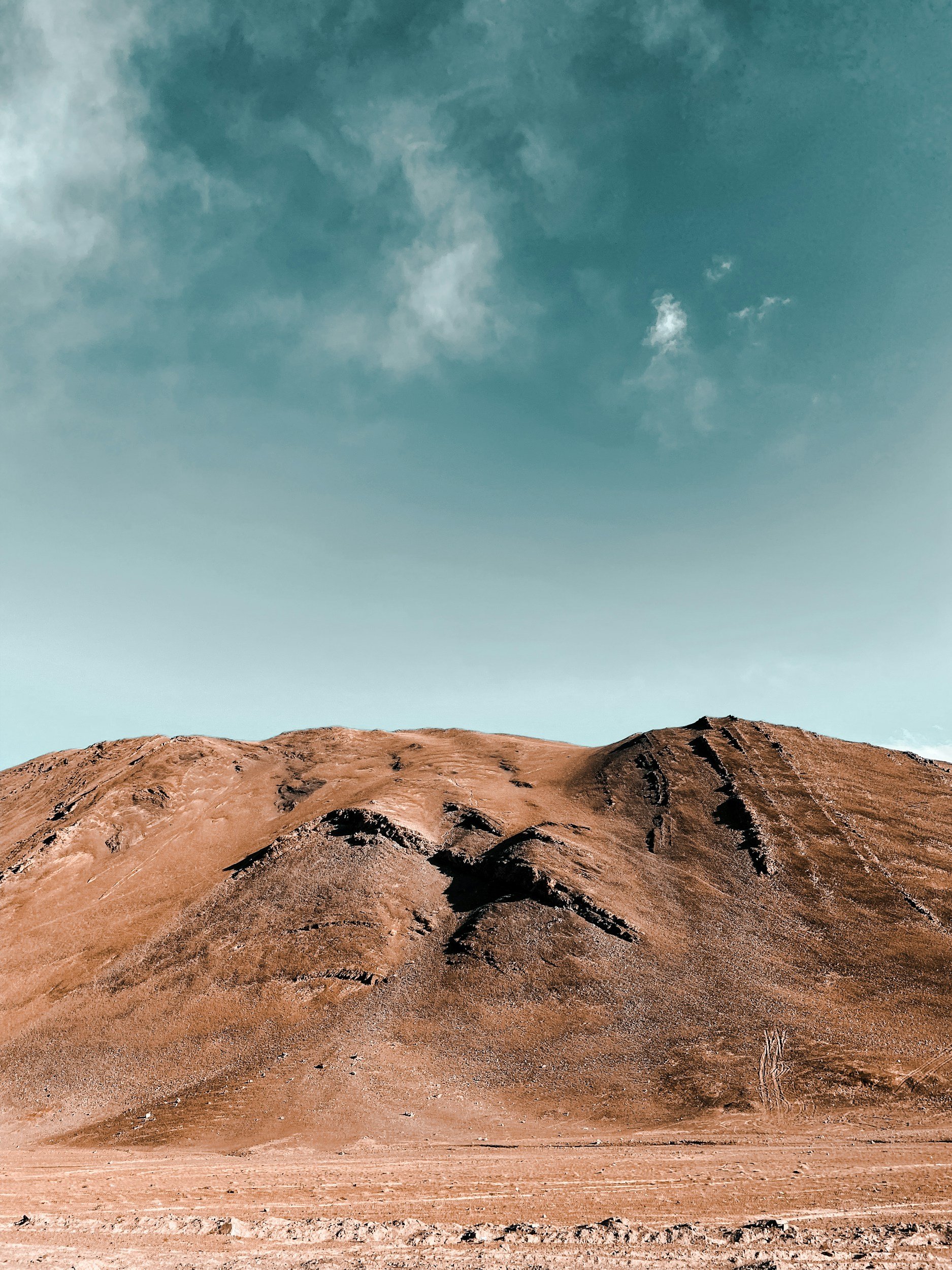
Dryland ecosystems — arid, semi-arid, and savannah landscapes — cover more than forty percent of Earth’s land surface and are among the most climate-vulnerable terrestrial ecosystems on earth. Halting land degradation and desertification in these landscapes requires active, knowledge-based governance by the communities who inhabit them.
Maasai in Tanzania
Maasai pastoral governance organizes the seasonal movement of livestock across designated grazing corridors, maintaining rangeland regeneration cycles, preventing soil degradation and erosion, and sustaining the vegetation systems that support one of East Africa’s most biodiverse savannah ecosystems. This governance system directly contributes to habitat resilience and landscape-scale ecosystem health across the Ngorongoro Conservation Area — recognized through formal contributions to EMRIP, UNU-CRIS, and ICOMOS.
Amazigh in Morocco
Amazigh women’s councils govern pastoral land use across pre-Saharan landscapes, managing designated grazing zones in ways that maintain vegetation cycles, protect soil integrity, and prevent desertification under conditions of extreme aridity and accelerating climate stress. This women-led governance system is among the most active dryland stewardship models in North Africa, formally documented through contributions to FAO, UNDRR, and UNPFII.
POLLINATOR HEALTH & ECOSYSTEM SERVICES
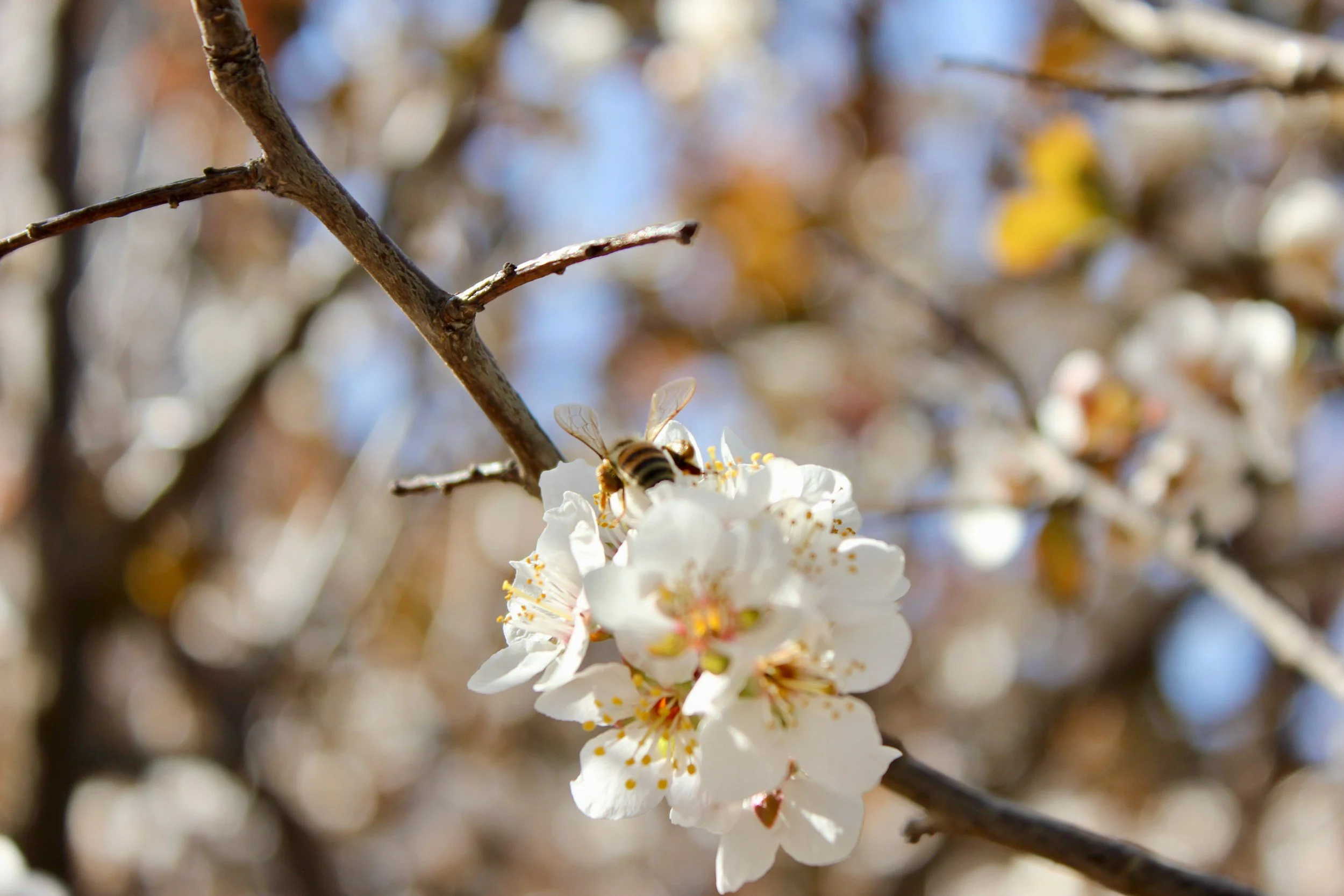
Pollinators are foundational to ecosystem health and food system resilience. Their decline is both a symptom and a driver of broader biodiversity loss. Indigenous communities that maintain active pollinator stewardship sustain critical ecosystem services — seed dispersal, soil fertility, natural pest regulation, and pollination — that industrial agricultural systems have systematically degraded.
Maasai in Tanzania
Humanculture supports Maasai community beehive programs that sustain pollinator populations across savannah rangelands, directly contributing to pollinator health in one of East Africa’s most ecologically significant landscapes. Maasai pastoral practices maintain a broader spectrum of ecosystem services: livestock manure restores soil fertility, seasonal grazing patterns support native seed dispersal, and the biodiversity sustained through pastoral governance provides natural pest regulation without chemical intervention. This work is formally documented through IPBES and FAO as evidence of Indigenous pollinator stewardship and community-governed ecosystem service delivery.
AGROBIODIVERSITY & FOOD SYSTEM ECOLOGY
Agrobiodiversity — the diversity of species, breeds, cultivation systems, and food practices that communities maintain — is a critical and underrecognized dimension of biodiversity conservation. Traditional food systems preserve genetic diversity, ecological relationships, and landscape-scale knowledge that industrial monocultures have eliminated. Supporting Indigenous food systems is supporting biodiversity. This work formally contributed to FAO, IPBES, UNESCO, UNPFII, and LCIPP.
Maasai in Tanzania
The Maasai pastoral food system sustains a full spectrum of agrobiodiversity adapted over generations to East African savannah conditions: Indigenous cattle, sheep and goat breeds represent living genetic heritage developed through centuries of selective pastoral stewardship. Milk systems, honey production, and the community governance of livestock as both livelihood and ecological instruments make the Maasai food system one of the most complete models of Indigenous agrobiodiversity in active practice across sub-Saharan Africa.
Amazigh in Morocco
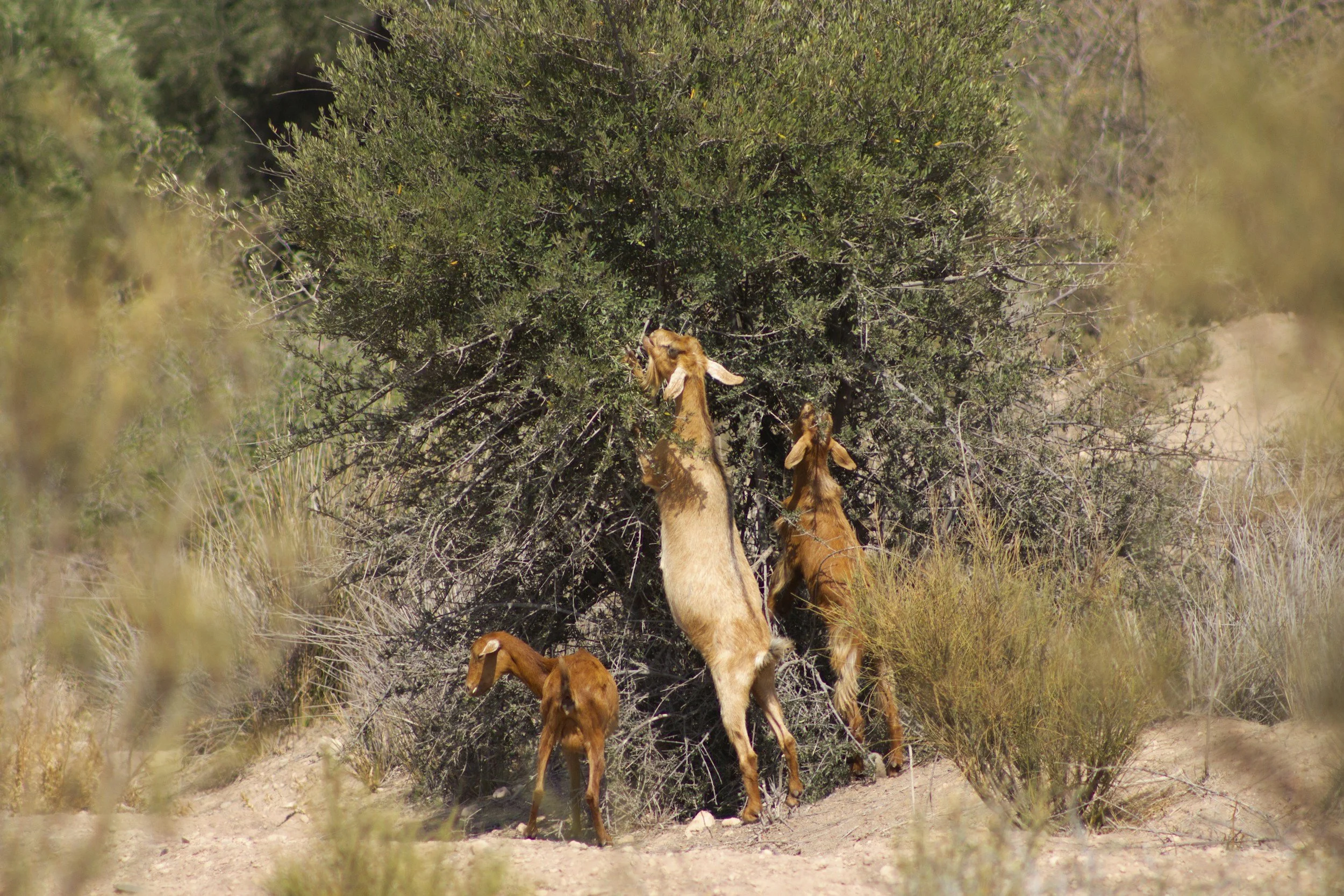
The Amazigh food and livelihood system operates as a closed-loop ecological economy in one of the world’s most resource-scarce dryland landscapes. Goat herds are central — providing milk, meat, and fiber that feeds directly into traditional weaving as a circular livelihood — and are sustained through sophisticated feed management practices including the diversion of organic waste from nearby lodges and the hand processing of desert-harvested dates, including pit crushing, as supplemental feed. This closed-loop resource model represents a replicable example of circular agrobiodiversity and dryland food system resilience.
Chorotega in Nicaragua
Chorotega communities practice Milpa agriculture, a polyculture system developed over millennia in the volcanic highland landscapes of Central America. Milpa integrates maize, beans, and squash in a mutually sustaining cultivation system that maintains soil health, supports agrobiodiversity, prevents erosion on volcanic terrain, and sustains food security through ecological balance rather than external inputs. Humanculture supports the continuation of Milpa as both a living food system and a model of volcanic landscape stewardship.
FOREST & BIODIVERSITY CONSERVATION
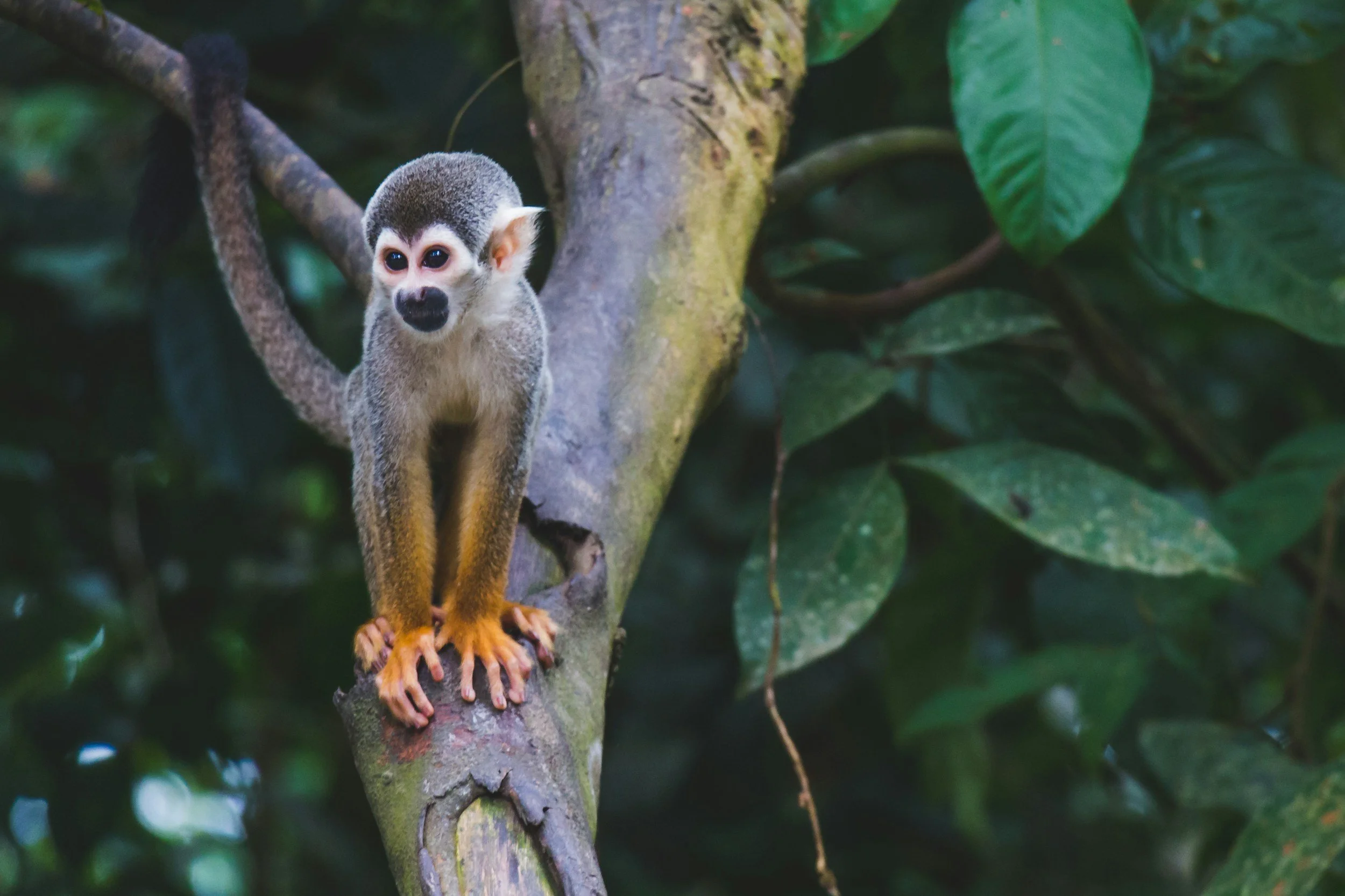
The world’s most biodiverse terrestrial ecosystems are overwhelmingly governed by Indigenous communities. Effective biodiversity conservation in these landscapes depends on protecting the TEK, governance structures, and community stewardship practices of the people who have sustained them across generations. Humanculture works in some of the world’s most ecologically significant landscapes in direct support of that goal.
Maasai in Tanzania
Maasai pastoral land governance directly sustains the wildlife biodiversity of the East African savannah. The ecological integrity of the Ngorongoro Conservation Area — a globally recognized biodiversity hotspot — exists in active relationship with Maasai stewardship. Livestock and wildlife have co-evolved in this landscape under Maasai governance for centuries, creating habitat conditions that support extraordinary species diversity. Humanculture supports the Maasai governance systems that make this biodiversity possible, with formal contributions to ICOMOS, IPBES, and UNESCO.
Shipibo in Peru
The Peruvian Amazon is one of the world’s most critical biodiversity hotspots, containing an extraordinary concentration of medicinal plant diversity. Much of that knowledge exists not in databases but in Shipibo knowledge keepers who have documented, transmitted, and applied Amazonian plant systems across generations of direct relationship with the forest. Humanculture supports the documentation and intergenerational transmission of Shipibo TEK as a direct act of biodiversity conservation. Protecting the knowledge of a plant system is inseparable from protecting the ecosystem that produced it.
Malagasy IPLC in Madagascar
Madagascar’s ecosystems contain extraordinary levels of endemic biodiversity found nowhere else on earth. Humanculture works with Malagasy Indigenous and local communities to document elder ecological knowledge — capturing the relationships between communities, land, and endemic species that formal conservation systems have not recorded and cannot replicate. This intergenerational knowledge documentation protects biodiversity data that exists in no other form.
COASTAL, WETLAND & RIVERINE ECOSYSTEM
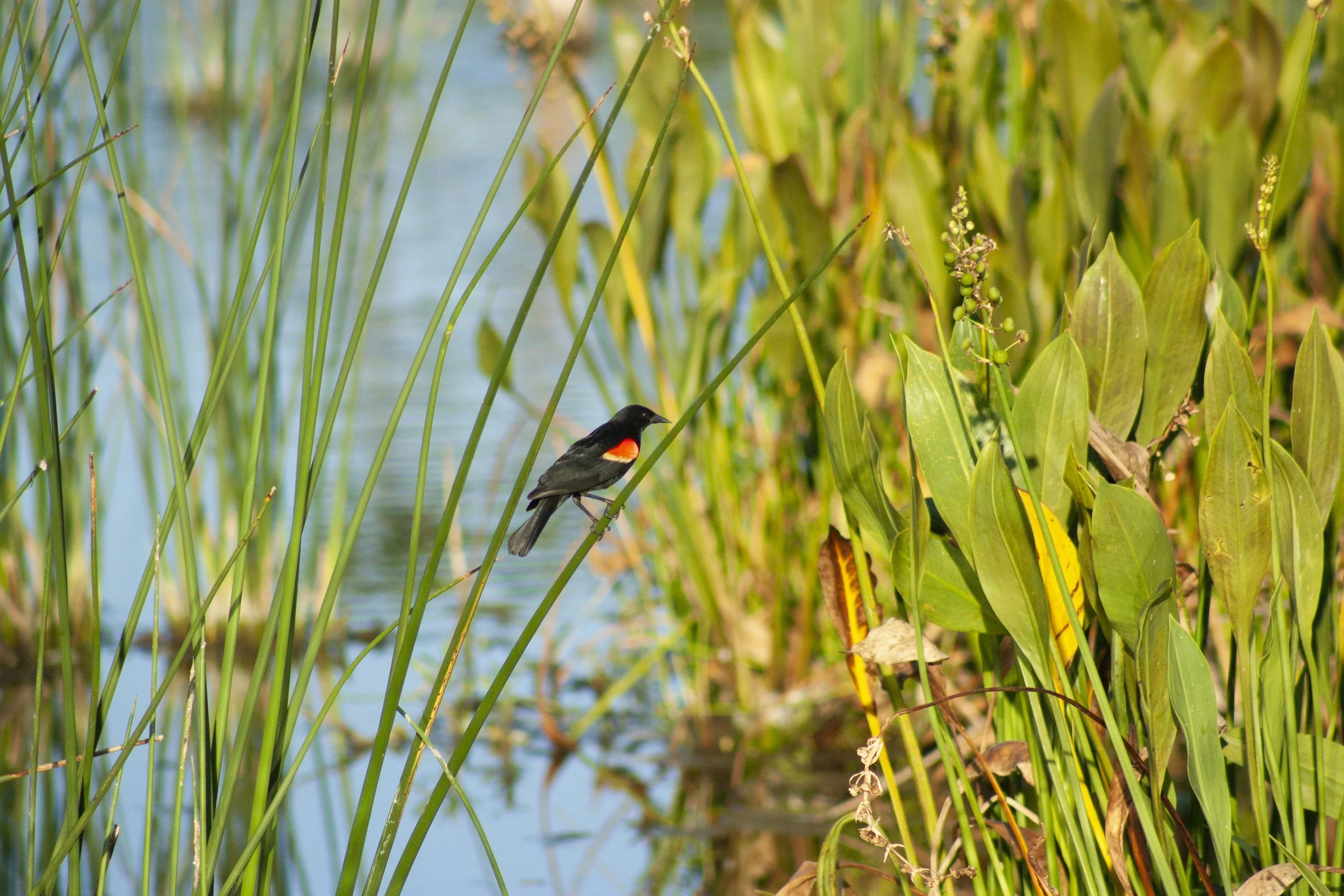
Coastal, wetland, and riverine ecosystems are among the most ecologically productive and most threatened landscapes on earth. They provide critical ecosystem services — carbon sequestration, flood mitigation, fisheries habitat, and freshwater regulation — and harbor extraordinary biodiversity. The communities that govern them hold TEK of tidal rhythms, seasonal flooding, river systems, and species interdependencies that no external conservation program has replicated.
Malagasy IPLC in Madagascar
Madagascar’s coastal mangrove landscapes are among the most ecologically distinct on earth, shaped by the interaction of land and sea, tidal rhythms, and endemic biodiversity found nowhere else. Humanculture supports Malagasy community stewardship of these coastal ecosystems and the documentation of TEK embedded in generations of direct relationship with mangrove and coastal ecology.
Shipibo in Peru
Shipibo communities govern Amazonian riverine and floodplain landscapes shaped by seasonal flooding, dense forest cover, extraordinary biological diversity, and river systems that define movement, settlement, and ecological relationship across one of the world’s most biodiverse watersheds. Humanculture supports the continuation of Shipibo stewardship practices and the TEK embedded in their governance of these riverine landscapes.
Banteay Srei IPLC in Cambodia
Cambodia’s Banteay Srei community inhabits a floodplain seasonal forest ecosystem within the Mekong basin — one of the most ecologically and hydrologically significant river systems on earth. Humanculture’s freshwater intervention through biosand filtration supports community water security as a foundation for the ecological health of the surrounding seasonal forest and floodplain landscape.