
we are HUMANCULTURE™
Humanculture™ is an Indigenous-led nonprofit organization operating internationally, incorporated in the United States as a 501(c)(3) public charity and in Canada under the Canada Not-for-profit Corporations Act. Our work focuses on expanding access to water, food, education, health services, economic autonomy, cultural preservation, and representation.
Humanculture advances Indigenous and community-led work across essential access, knowledge systems, ecology, land stewardship, arts, culture, humanitarian aid, and climate resilience. We are dedicated to the life, land, and culture of African and Indigenous peoples in remote societies. We support communities that are often excluded from global visibility and resource access.
Humanculture operates across multiple regions across the Global South, including East Africa, North Africa, Central America, South America, and Southeast Asia. Our work is community-led and systems-oriented. It is grounded in Indigenous systems and local structures that already operate within these environments.
HUMAN RIGHTS. LIVING CULTURE.

PURPOSE
Humanculture is dedicated to the life, land, and culture of Indigenous peoples in remote societies, supporting communities that are excluded from global visibility and resource access.
METHOD
Our work is community-led and systems-oriented. It is grounded in Indigenous systems and local structures that already operate within these environments.
GEOGRAPHY
Humanculture operates in multiple regions across the Global South, including East Africa, North Africa, Central America, South America, and Southeast Asia. Our work spans four continents and more than six ecological contexts, including: dryland, savannah, rainforest, floodplain, coastal, and volcanic highland.
INSTITUTIONAL ENGAGEMENT AND UNITED NATIONS PLATFORMS
The work associated with Humanculture and the Indigenous Systems platform contributes to global discussions on biodiversity, food systems, and Indigenous knowledge through participation in international research processes and United Nations–related platforms.
Humanculture is registered with the United Nations Department of Economic and Social Affairs (eSango), is an expert contributor to IPBES, a member of International Indigenous Forum on Biodiversity and Ecosystem Services (IIFBES) and the Food and Agriculture Organization (FAO)), and registered with the United Nations Office for Disaster Risk Reduction (UNDRR).
GLOBAL ALIGNMENT
In 2015, world leaders adopted 17 United Nations Sustainable Development Goals. Humanculture’s work aligns across multiple goals through Indigenous and community-led work across essential access, knowledge systems, ecology, land stewardship, arts, culture, humanitarian aid, and climate resilience.
GLOBAL DEVELOPMENT GOALS
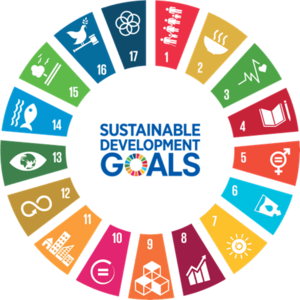
OUR work CONTRIBUTEs TO at least 12 of the 17 Sustainable Development GOALS