

UNESCO
SCIENCE
Earth-Responsive Material Transformation
Chorotega Indigenous Knowledge System
Under Climate Variability
Organization: Humanculture
Author: Stephanie Zabriskie
ORCID: 0009-0000-9273-1529
Affiliation: Humanculture (Indigenous-led nonprofit organization)
Capacity: Founder and Executive Director
Contributors: Valentin López, Chorotega Master Practitioner and Dervin López, Chorotega Practitioner
Country: Nicaragua
UNESCO Recommendation on Open Science (2021), Indigenous Knowledge Systems, Climate-Responsive Governance
OVERVIEW
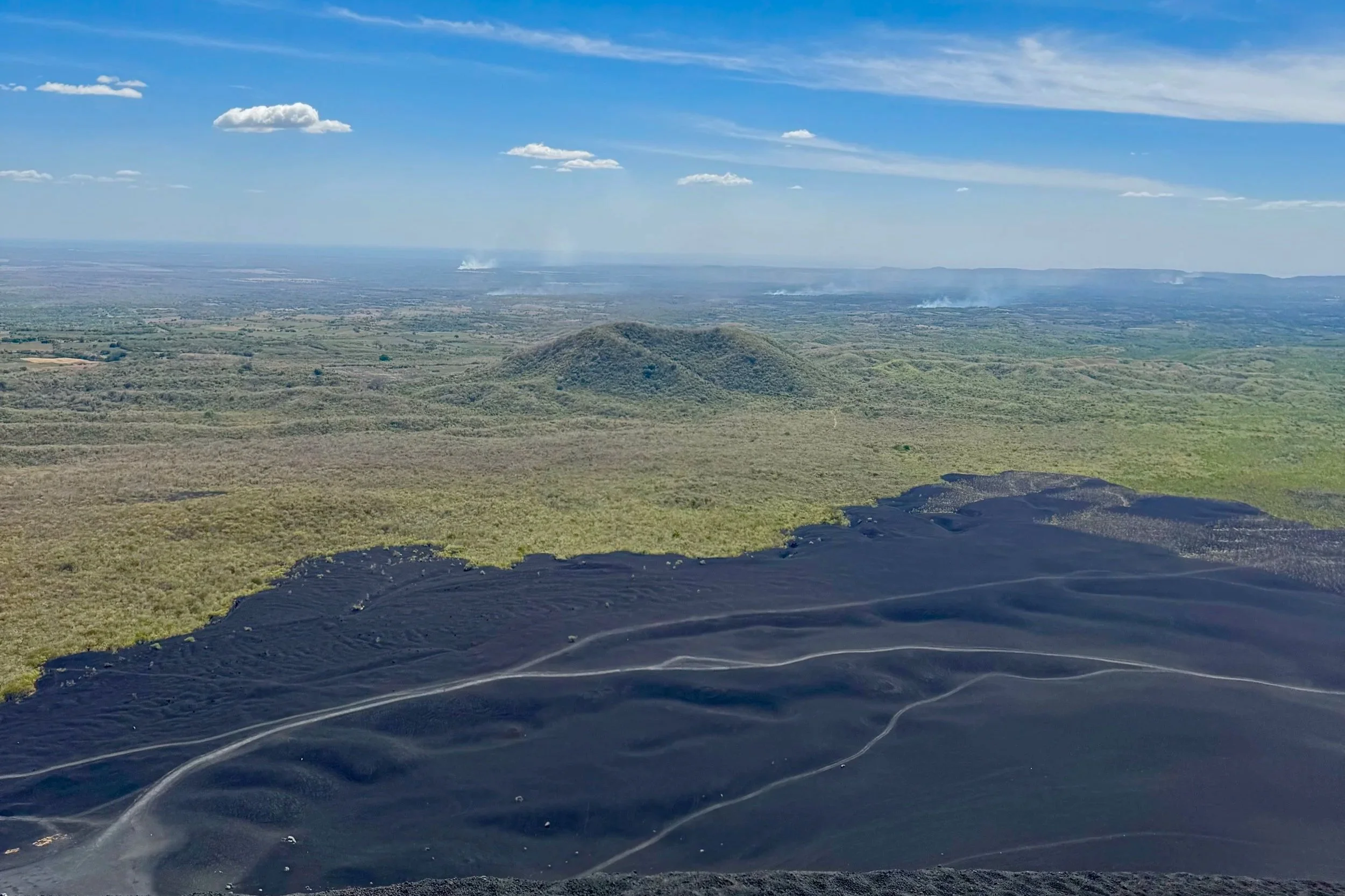
This page presents the Chorotega Indigenous system of earth-responsive material transformation as a living knowledge production system operating under conditions of climate variability.
Within this system, geological materials, atmospheric conditions, seasonal timing, governance authority, and intergenerational transmission function together. Material transformation is not an isolated artistic or technical activity. It is a governance-embedded process through which environmental signals are interpreted, validated, and enacted.
Knowledge is generated through structured ecological observation, master-led material qualification, apprenticeship-based learning, and collective decision-making. Environmental variability is not treated as disruption but as information that regulates readiness, timing, and feasibility.
This documentation makes visible the systemic architecture through which knowledge is produced and sustained while respecting community-held procedural boundaries.
Knowledge Production Sequence
The Chorotega system produces knowledge through a governed sequence in which environmental signals determine timing, material readiness, and decision authority. The sequence below demonstrates structural order rather than technical instruction. Exact ratios and variables remain governed within community-held protocols.
Climate variability functions as an informational condition throughout this sequence. Moisture levels, wind intensity, and atmospheric humidity regulate feasibility windows for sourcing, preparation, drying, and firing.
-

Source natural materials across ecological zones
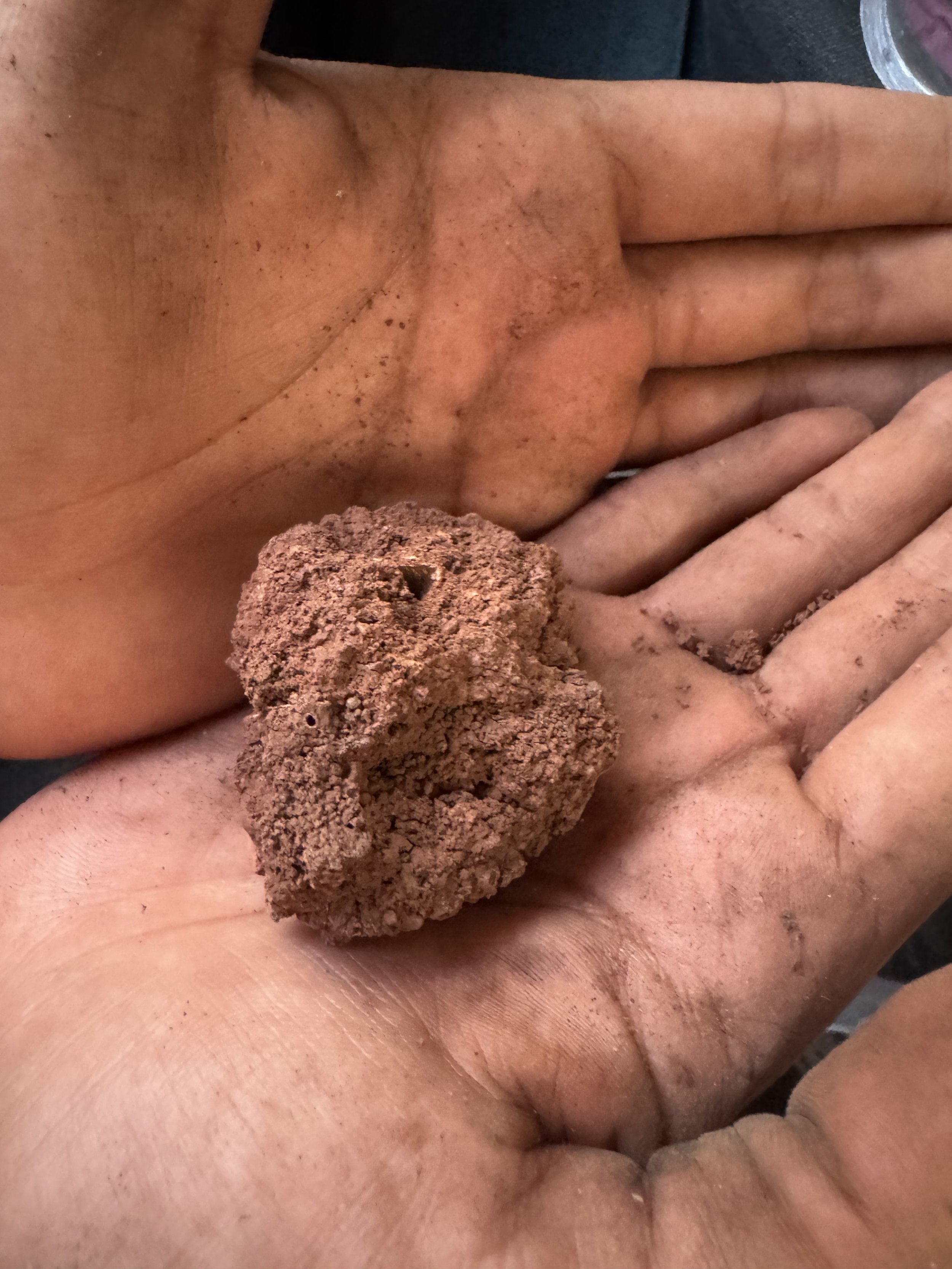
Practitioners travel across volcanic regions, upland areas, lake systems, coastal environments, and cultivated lands to identify Tague, colored earths, clays, sand, tools and fuel materials. Collection occurs within seasonally governed windows and at intervals designed to maintain ecological continuity.
-

Micro-sample, evaluate, and refine materials
Colored Earth including Tagues are tested in small samples prior to full collection. Master practitioners assess viability before labor investment proceeds. Materials are cleaned, refined and processed by hand with water and cloth straining.
-

Prepare body clay through embodied mixing practices
Body clay is processed by hand and combined with sand and prepared through foot-based mixing. Preparation includes Danzado ceremony that affirms the community relationship with the Earth and relational responsibility within material engagement.
-

Form vessels using foot-powered wheel systems
Vessel bodies are shaped using water, natural bamboo tools and embodied techniques transmitted through apprenticeship. Rotation is generated through a foot-powered wheel system, allowing practitioners to regulate speed and stability through coordinated foot movements, while shaping the vessel with their hands.
-

Apply Tague sealing and surface preparation stages
Tague is an Náhuatl term rmeaning “colored earth” (tierra de colores). The two-stage Tague Gris and Tague Blanco application process produces a governing material layer that stabilizes the vessel body, regulates porosity, and prepares the surface for earth colors. Polishing using seeds from the Sapote tree.
-

Structure and apply earth-based surface designs
Designs are hand-drawn onto the vessel body and Prepared Earth Colors are applied with a brush made of women’s hair, affirming the role of women as the stewards and primary users of the finished ceramic vessels. Polishing using smooth ocean stones occurs between drying stages.
-

Dry under monitored environmental conditions
The pieces dry in the open air under monitored conditions for more than two weeks. Exact drying periods are determined by humidity, airflow, and seasonal moisture signals rather than fixed schedules.
-

Execute surface refinement prior to firing
Surface scratching and refinement occur only once vessel readiness is confirmed by touch and sight observation. Design details are hand engraved into the vessels using fine inestuments.
-

Kiln fire using regionally sourced fuel inputs
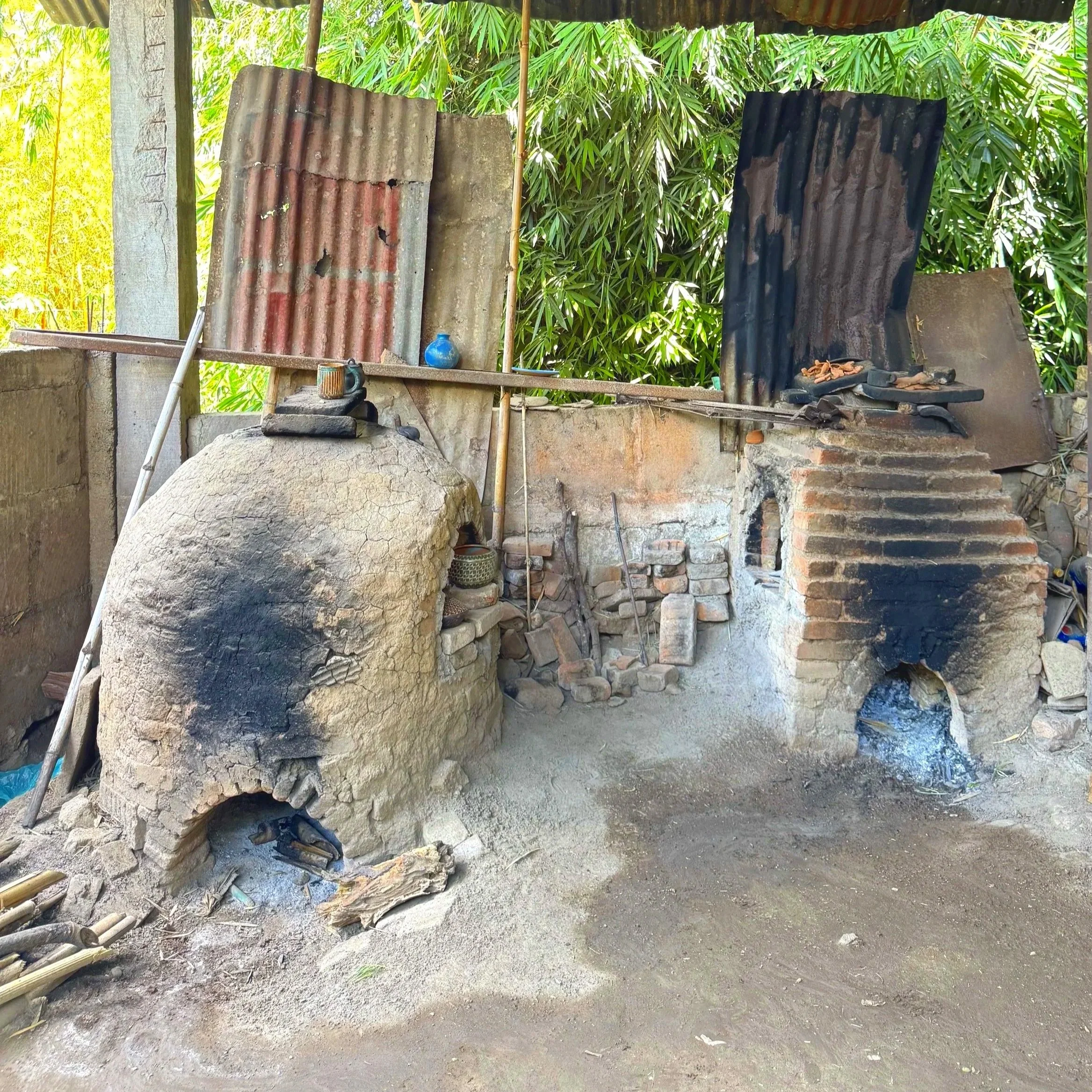
Firing is conducted using bamboo and recycled agricultural inputs, in kilns constructed from local earth materials. Heat behavior and smoke conditions are interpreted throughout.
Governance & Knowledge Stewardship
Knowledge within this Chorotega system is produced through ecological reading, collective authority, and apprenticeship-based transmission.
Governance operates through a community-elected Board of Directors and a Council of Elders. Leadership rotation sustains accountability and continuity. Participation in practice is inclusive of men and women.
Master practitioners exercise decision authority regarding material recognition, qualification, classification, and appropriate use. Certain procedural variables remain governed within community-held protocols to preserve ecological responsibility and knowledge sovereignty. Structural understanding is shared without disclosing protected operational detail.
Apprenticeship functions simultaneously as education, ecological literacy training, and governance succession.
Climate-Responsive Infrastructure
This Chorotega system demonstrates how Indigenous governance structures function as climate-responsive infrastructures.
Adaptation does not require structural redesign. Environmental variability is interpreted through established knowledge pathways. Drying durations may extend. Collection intervals may shift. Firing timing may adjust. System coherence remains intact because ecological interpretation is embedded within governance.
Material transformation remains place-based and low-energy. Kilns are constructed from regionally sourced materials. Fuel integrates bamboo and recycled agricultural inputs, with combustion behavior interpreted through experiential observation.
Ecological knowledge, material science, and governance operate as a single integrated continuity structure
Contribution to Open and Inclusive Science
This practice reflects principles articulated in UNESCO’s Recommendation on Open Science by demonstrating:
Knowledge production occurs within community-governed systems beyond academic institutions
Ecological observation functions as a structured epistemic method
Experiential and relational learning processes produce validated knowledge
Ethical openness can coexist with knowledge sovereignty and community-held protocols
Climate-relevant knowledge emerges through sustained land engagement
Understanding the Chorotega earth-responsive material transformation as an operational knowledge system rather than a heritage artifact contributes to a broader understanding of inclusive science. Knowledge generated in this system emerges through practice and environmental interpretation, promoting ecological literacy, ethical boundaries, and intergenerational continuity while respecting community protocols for protected procedural detail.
Education and Intergenerational Transmission
Earth-responsive material transformation functions as a community-based educational system.
Youth and apprentices participate in sourcing journeys, material preparation cycles, ecological observation, and transformation stages. Learning occurs through sustained engagement with land conditions rather than abstract instruction alone.
Knowledge transmission is inseparable from governance. Apprenticeship constitutes climate education, ecological literacy, and stewardship succession simultaneously.