

UNESCO
SCIENCE
Maasai Pastoral Stewardship System
Ecological Observation, Community Governance, and Survival Under Climate Variability
Organization: Humanculture
Author: Stephanie Zabriskie
ORCID: 0009-0000-9273-1529
Affiliation: Humanculture (Indigenous-led nonprofit organization)
Capacity: Founder and Executive Director
Contributors: Paulo Mollel, Matasia Nengoyo
Country: Tanzania
UNESCO Recommendation on Open Science (2021), Indigenous Knowledge Systems, Climate-Responsive Governance
OVERVIEW
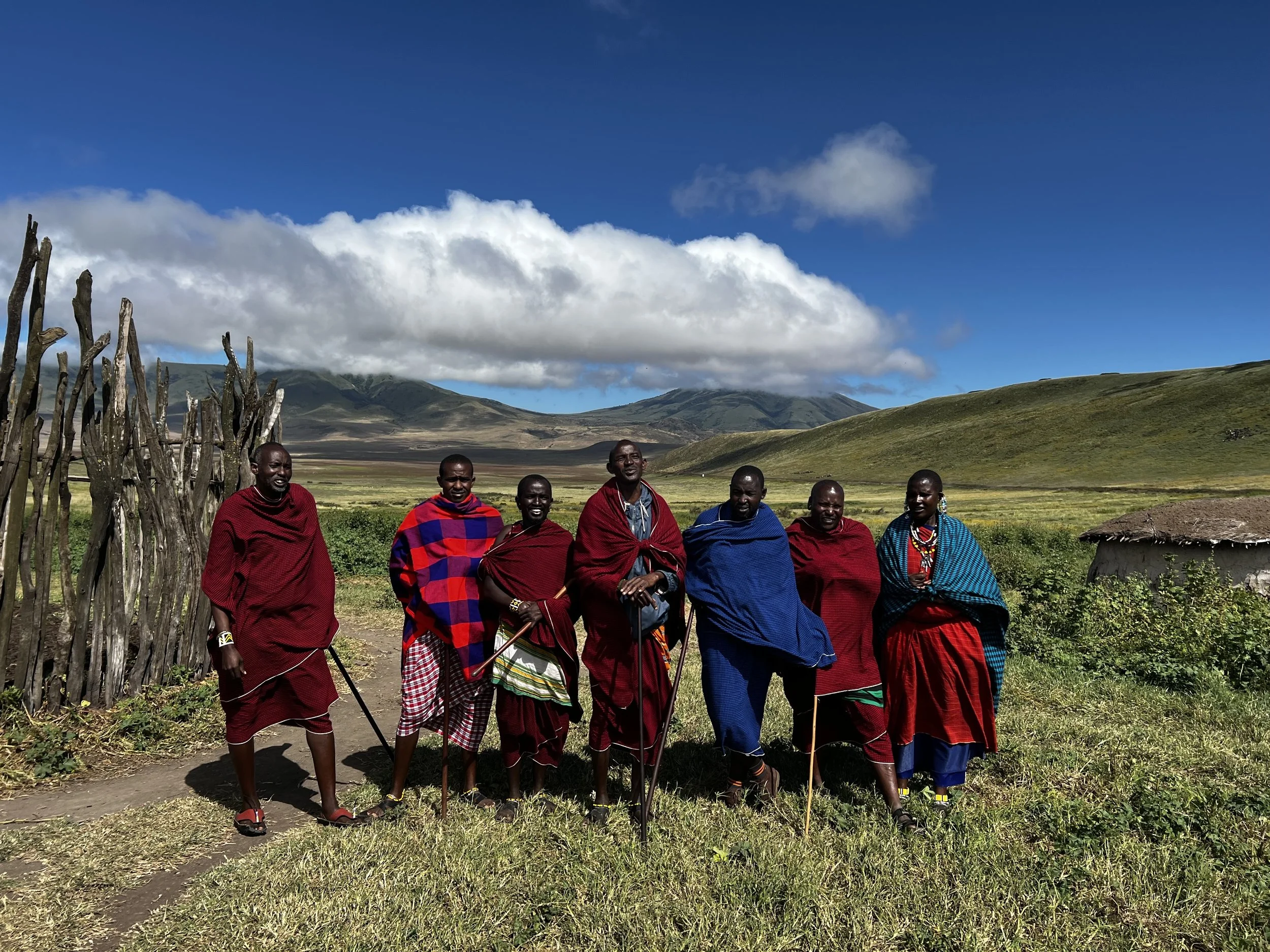
Among Maasai pastoral communities in the Ngorongoro Conservation Area of northern Tanzania, ecological observation, governance, and survival are inseparable.
Grasslands, water sources, and upland zones are observed continuously through daily pastoral life. These observations are interpreted collectively through Maasai leadership structures, where Chiefs make decisions about where and when pastoral activities take place.
Those decisions determine which areas are grazed, which areas rest for grass regeneration, when livestock can access particular water sources, and how often animals are watered during dry periods. In this way, environmental knowledge becomes operational through decisions about place, timing, movement, and restraint.
Women and girls play central roles in the functioning of Maasai pastoral systems. Through daily responsibilities that include animal care, herd health monitoring, water management, and the care of young livestock, women maintain continuous engagement with animals, resources, and household livelihood systems.
Women also manage beehives and contribute to understanding pollinator activity and seasonal flowering cycles within the landscape. Through these practices, women and girls participate directly in ecological knowledge generation and in the transmission of pastoral skills across generations, forming an essential part of the distributed knowledge system through which pastoral life is sustained.
This society-wide governance system operates across conditions of abundance, seasonal variation, prolonged drought, and severe survival conditions. The principles guiding ordinary pastoral life — ecological observation, collective coordination, restraint, and shared survival — are the same principles that organize pastoral life under extreme environmental pressure.
Selected OBSERVED INDICATORS
The Maasai pastoral stewardship system operates through continuous observation of environmental conditions across the rangeland landscape. Community members and leaders interpret ecological signals that guide decisions about herd movement, grazing access, water use, and landscape stewardship.
-

Grass Condition and Regeneration
Pasture quality, grass height, and regrowth patterns are continuously observed to determine where grazing may occur and which areas must remain ungrazed so that grasslands can recover.
-

Seasonal Rainfall Patterns
Rainfall timing and distribution influence pasture regeneration and shape decisions about herd mobility across the landscape.
-

Groundwater Conditions at Wells
Changes in groundwater availability at hand-dug wells inform community decisions about livestock concentration and water access
-

Surface Water Availability
Lakes, rivers, and surface-fed troughs are monitored closely, and access to these water points is coordinated collectively during dry periods to prevent depletion.
-

Livestock Health and Grazing Pressure
Animal condition provides feedback about environmental sufficiency and signals when herds must move to new grazing areas.
-

Wildlife Presence and Migration Patterns
Wild herbivore movement and grazing behavior are observed as indicators of landscape health and are considered within pastoral land-use decisions.
-

Tree Cover and Moisture Retention Zones
Areas with mature trees are recognized as locations where grasses persist longer during dry periods and are often protected within grazing governance.
-

Pollinator Activity and Beehive Conditions
Bee behavior and hive productivity provide signals about flowering cycles and ecological vitality across the landscape.
-

Watering Intervals and Herd Hydration Needs
The timing between watering livestock is adjusted according to environmental conditions, extending watering intervals during drought to conserve limited water resources.
Society-Wide Ecological Stewardship
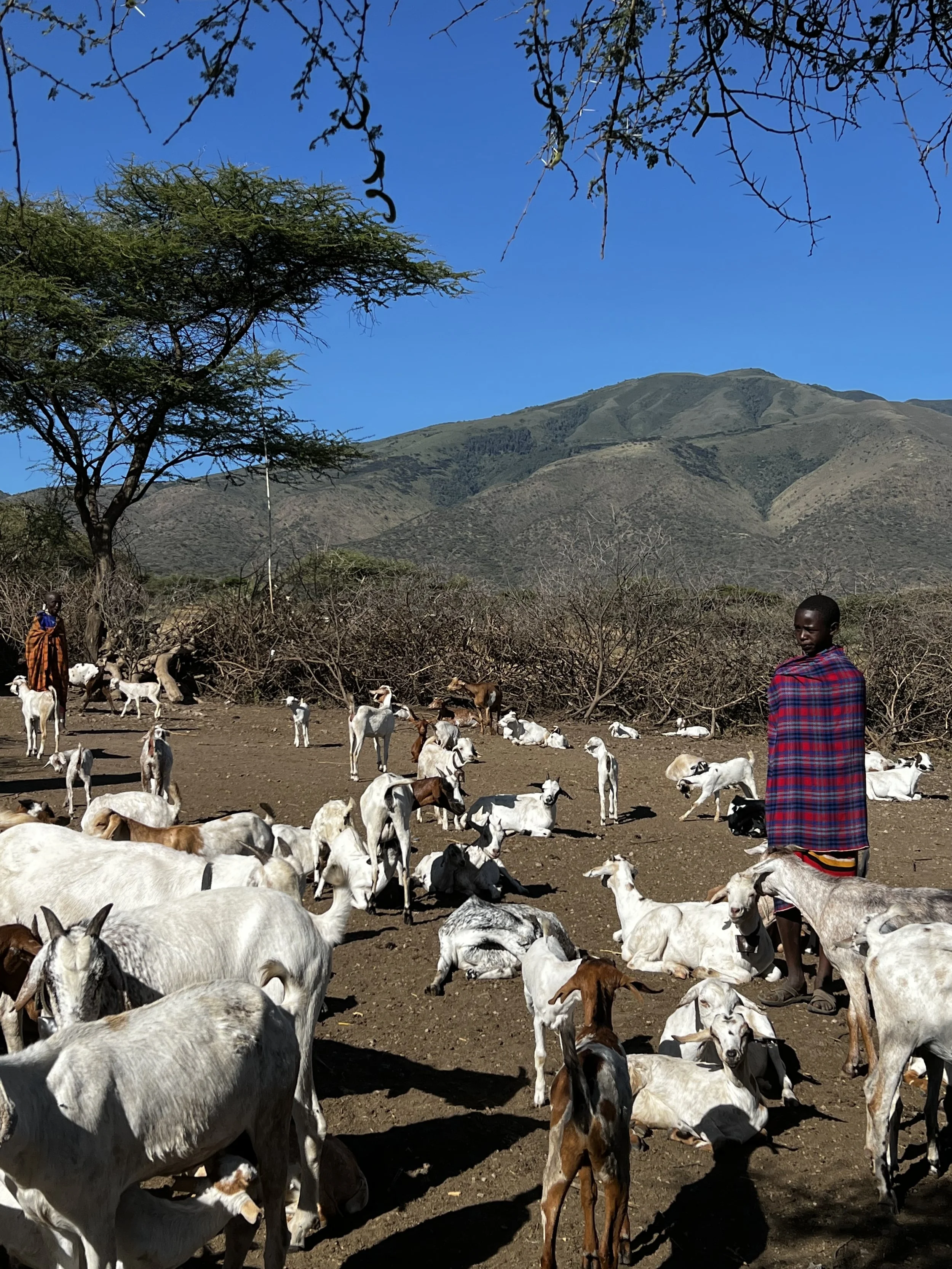
Observations across these ecological indicators are interpreted through Maasai governance structures that coordinate land and resource use across large pastoral territories. Community leaders and elders meet to discuss environmental conditions and translate these observations into collective decisions governing grazing access, herd movement, and water use.
These decisions operate across the entire pastoral landscape and apply to all households within the community. Areas are designated for grazing while others are rested to allow grass regeneration. Water sources are rationed during dry periods, with livestock watering schedules extended to conserve surface and groundwater. Herd movements are coordinated so that grazing is strategically distributed across the landscape.
Pastoral mobility is therefore not random movement but the coordinated operational expression of ecological knowledge through governance. Men may travel long distances with livestock to access of viable pasture while women maintain household encampments, allowing pastoral households to respond flexibly to changing environmental conditions while maintaining social continuity.
Wildlife, Trees and Ecological Signals
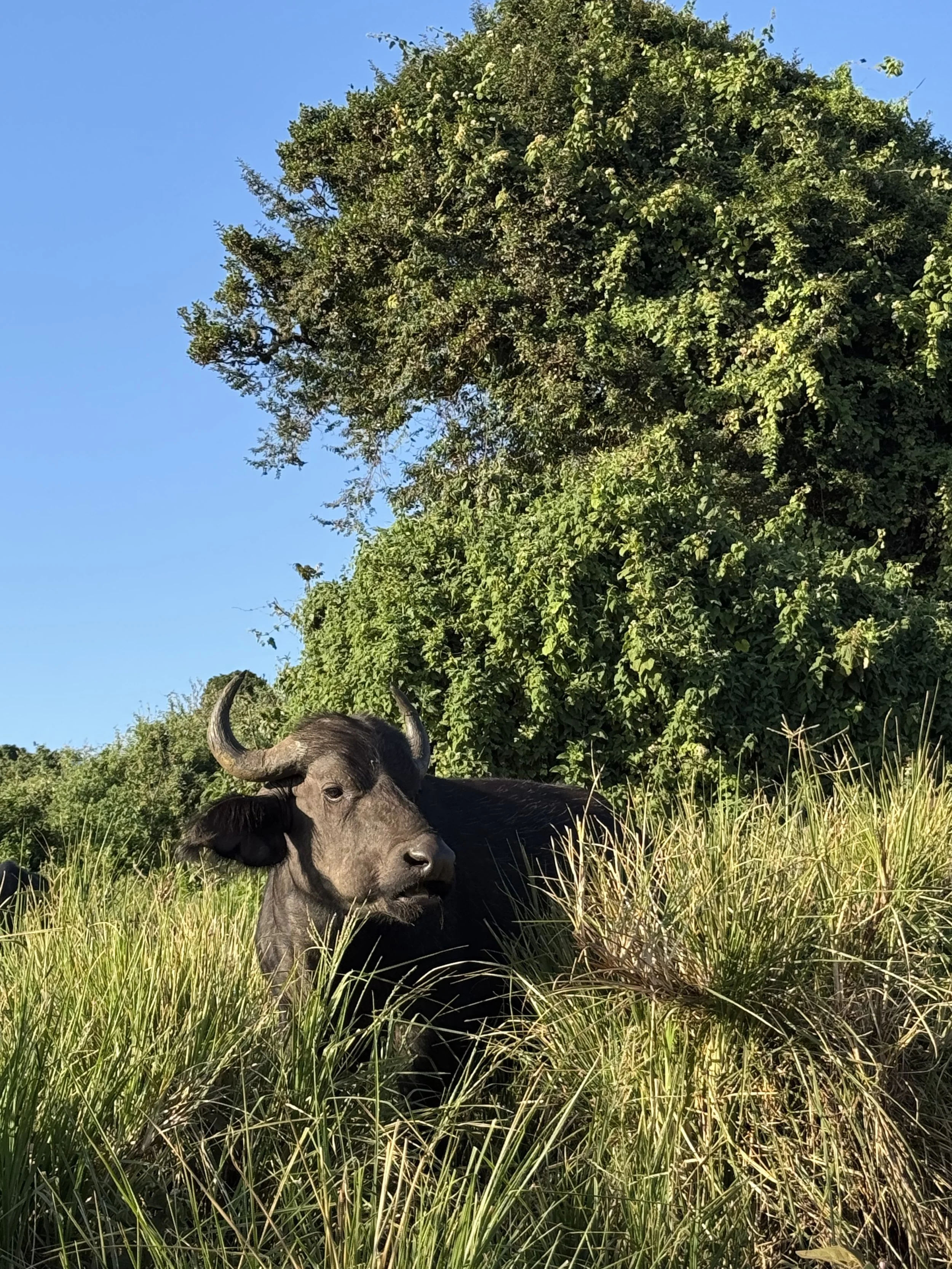
Wildlife populations are an integral part of this stewardship system. Grazing management supports grasslands used by both domestic livestock and wild herbivores, and wildlife movement provides additional ecological signals about landscape conditions. Trees and flowering plants sustain pollinators and other species that contribute to the vitality of the landscape. These relationships mean that pastoral decision-making is informed not only by livestock needs but by broader ecological patterns visible across the land.
Through this coordinated system, Maasai pastoral society organizes daily life, seasonal mobility, and long-term land stewardship around environmental signals. Decisions about grazing, water access, movement, and restraint are for the continuity of grasslands, wildlife presence, water sources, trees, the wider ecological balance of the landscape and community survival across recurring cycles of climate variability
Women and girls in Animal care and water management
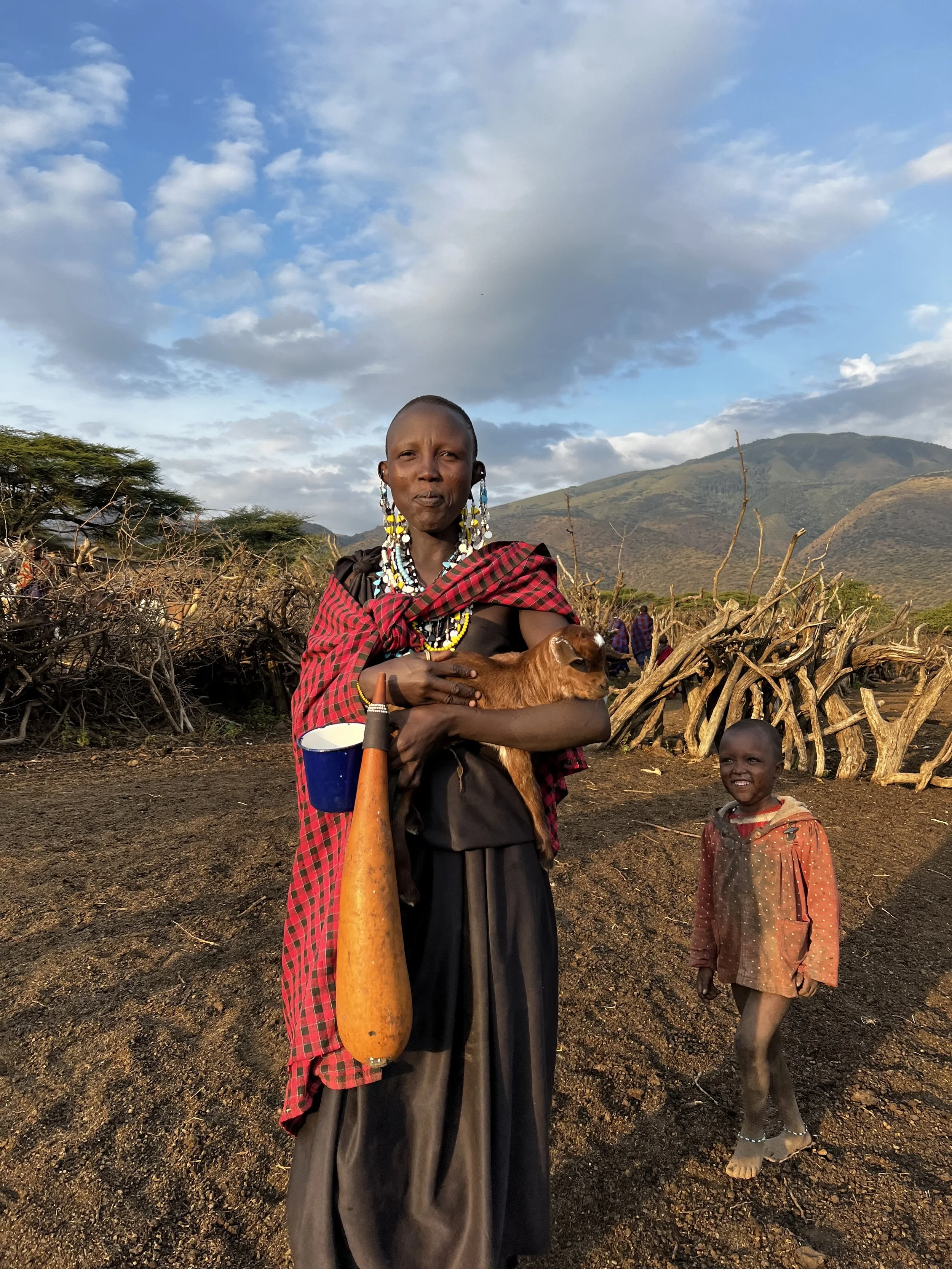
Within the Maasai pastoral governance system of the Ngorongoro Conservation Area, women and girls are active ecological observers and knowledge holders whose daily work forms an essential part of the community’s environmental monitoring system.
Each morning, women milk livestock and assess the condition of the herd before animals leave to graze. These observations generate information about animal health, forage sufficiency, and herd condition within the household. During the day, women and girls care for young animals that are too small or vulnerable to travel with the herd, which requires continued observation of their health, protection, and development.
When the herd returns in the evening, women and girls inspect the animals again, identifying signs of illness, weakness, or insufficient grazing. In this way, observation takes place at multiple points across the day, linking household care, herd condition, and broader pastoral decision-making.
women and girls in pollinator care and ecological monitoring
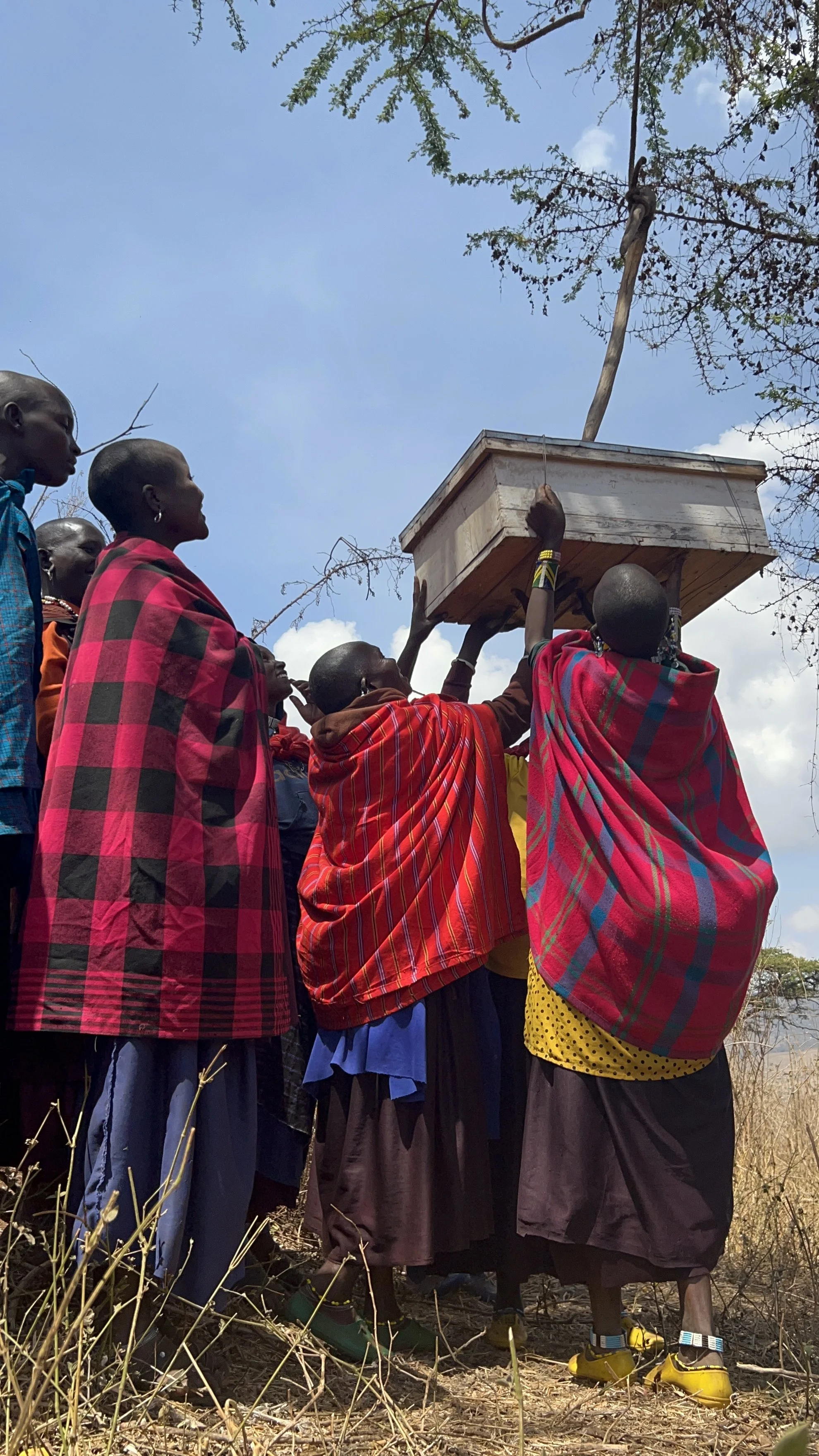
Women also manage the beehives and observe pollinator activity and hive condition as part of the wider ecological sensing of the landscape. Their knowledge contributes to understanding flowering cycles, environmental conditions, and the vitality of the surrounding ecosystem.
During drought, when livestock must be taken to water under difficult conditions, Maasai society maintains community-wide governance rules that prioritize women’s access and sequencing at watering points. This recognizes women’s central role in sustaining household water management, livestock care, and daily survival.
Girls participate in these responsibilities from an early age. Through that participation, they learn animal care, ecological observation, and stewardship practices in ways that are continuous, practical, and intergenerational.
This distribution of responsibility means that ecological knowledge in this system is not concentrated in a single role. Women’s observations in the household and homestead, together with the observations made by herders across the landscape, form a coordinated and continuous system of environmental monitoring.
Knowledge Transmission
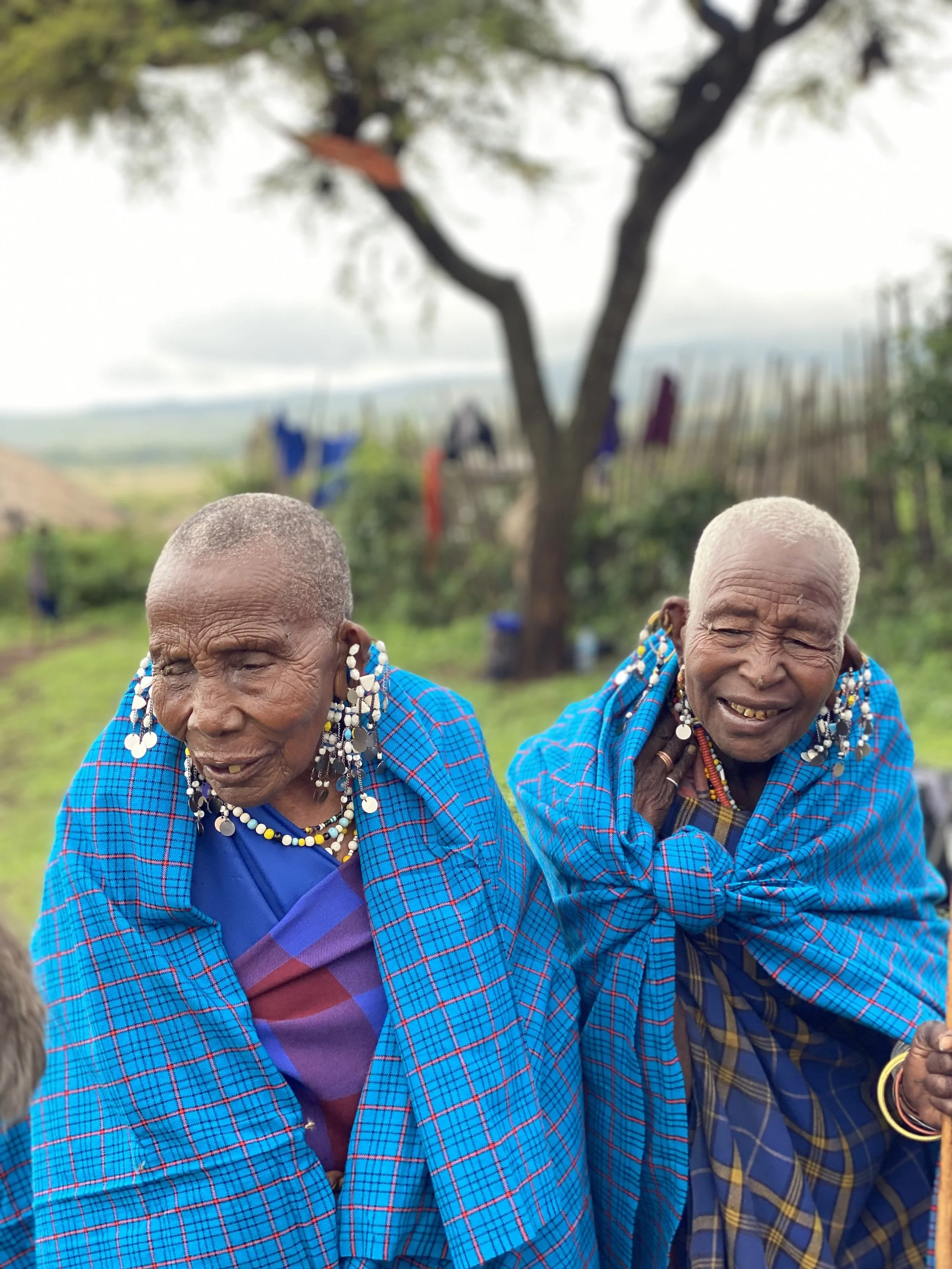
Knowledge within the Maasai pastoral system is transmitted through participation in pastoral life and through involvement in community governance. Younger generations learn to interpret ecological signals, understand grazing rules, and observe seasonal environmental change through daily experience alongside elders and experienced herders.
From birth, children are not separated from daily pastoral life, but remain in continuous immersion with animals, the environment, and the social life of the household through their parents, siblings grandparents, and other elders. As they grow and become physically capable of assuming greater responsibility, knowledge transmission becomes increasingly structured through age-set and gendered organization, with roles, skills, and responsibilities taught progressively in preparation for each subsequent stage of life. Societal organization is designed specifically to facilitate this knowledge transmission to younger generations beyond the household structure.
Environmental knowledge, pastoral skills, and governance responsibilities are therefore transmitted together. Through this process, the system remains operational across generations as both a livelihood practice and a knowledge system maintained through pastoral governance and intergenerational learning.
Contribution to Open and Inclusive Science
The system illustrates several principles aligned with open and inclusive science:
Plural knowledge systems in which ecological understanding emerges through lived interaction with landscapes, animals, and seasonal climate conditions
Community-based environmental monitoring through continuous and distributed observation across large pastoral territories
Governance systems that translate ecological signals into coordinated decisions about land and water use
Climate-adaptive landscape management capable of operating across conditions of abundance, seasonal variability, and severe drought
Intergenerational transmission of environmental knowledge through participation in pastoral life and community leadership structures
Inclusive knowledge production in which women and girls contribute ecological monitoring, animal health knowledge, and practical management as integral participants in the functioning of the system
The Maasai pastoral stewardship system demonstrates how Indigenous knowledge systems generate environmental monitoring and landscape management through distributed observation and collective governance. Ecological signals are interpreted continuously through lived interaction with grasslands, livestock, wildlife, water sources, pollinators, and seasonal climate patterns.
Through this ongoing process, environmental knowledge is generated across society and translated into coordinated decisions about where and when pastoral activities occur across the landscape.
This documentation contributes to broader recognition of Indigenous pastoral governance as an active and inclusive environmental knowledge system relevant to contemporary discussions of sustainability, biodiversity stewardship, climate adaptation, and gender equity in science.